Pranav Hotkar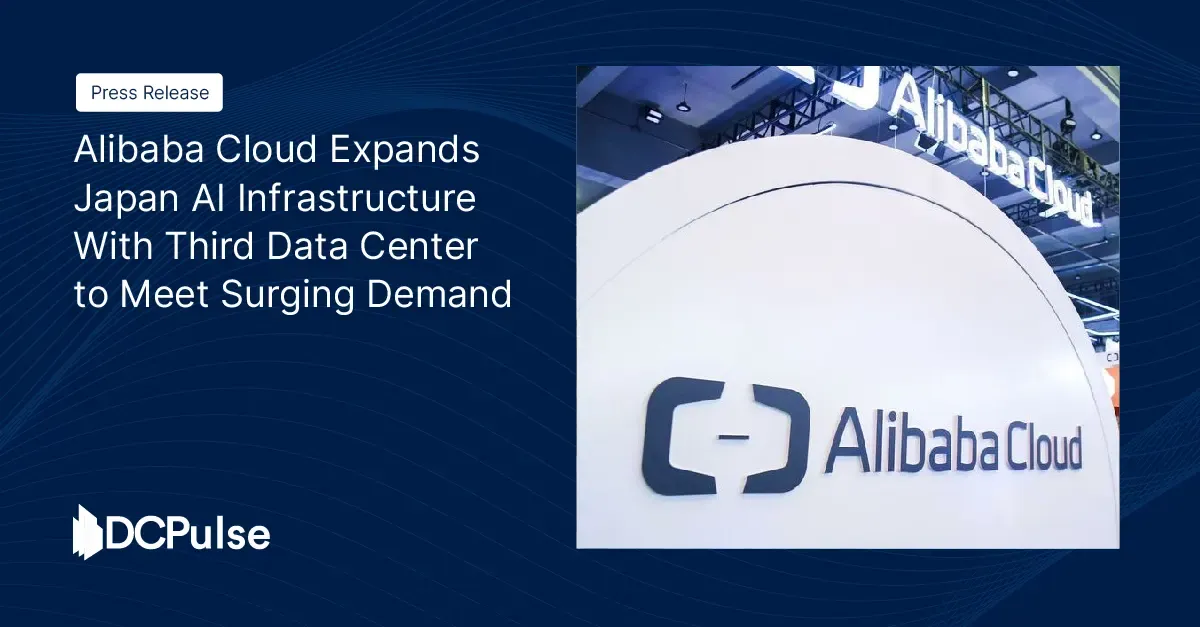
Tokyo, Japan – June 18, 2026 - Alibaba Cloud is expanding its infrastructure footprint in Japan with the launch of a third availability zone, enhancing local cloud and AI capacity as enterprises accelerate the adoption of generative AI and data-intensive applications.
The new infrastructure, scheduled to become operational in 2027, will increase Alibaba Cloud's computing capacity in Japan while enhancing service resilience and disaster recovery capabilities for customers running mission-critical workloads. The expansion is part of the company's broader strategy to scale its global AI infrastructure network amid rapidly rising demand for cloud-based AI services.
According to Alibaba Cloud, the additional availability zone will provide customers with greater flexibility in deploying applications across multiple data centers while improving business continuity through geographically distributed infrastructure. Multi-availability-zone architectures have become increasingly important for enterprises seeking higher uptime, lower latency, and stronger resilience for cloud-native and AI workloads.
The investment reflects Japan's emergence as one of Asia's fastest-growing markets for AI infrastructure. Organizations across manufacturing, financial services, retail, healthcare, and the public sector are increasing cloud adoption as they deploy AI models, analytics platforms, and data-intensive applications that require scalable computing resources.
Alongside the infrastructure expansion, Alibaba Cloud announced enhancements to its AI portfolio in Japan, including broader access to its Qwen large language models and AI development services. The company said the combination of expanded local infrastructure and AI capabilities is intended to help organizations accelerate digital transformation while keeping workloads within Japan's cloud region.
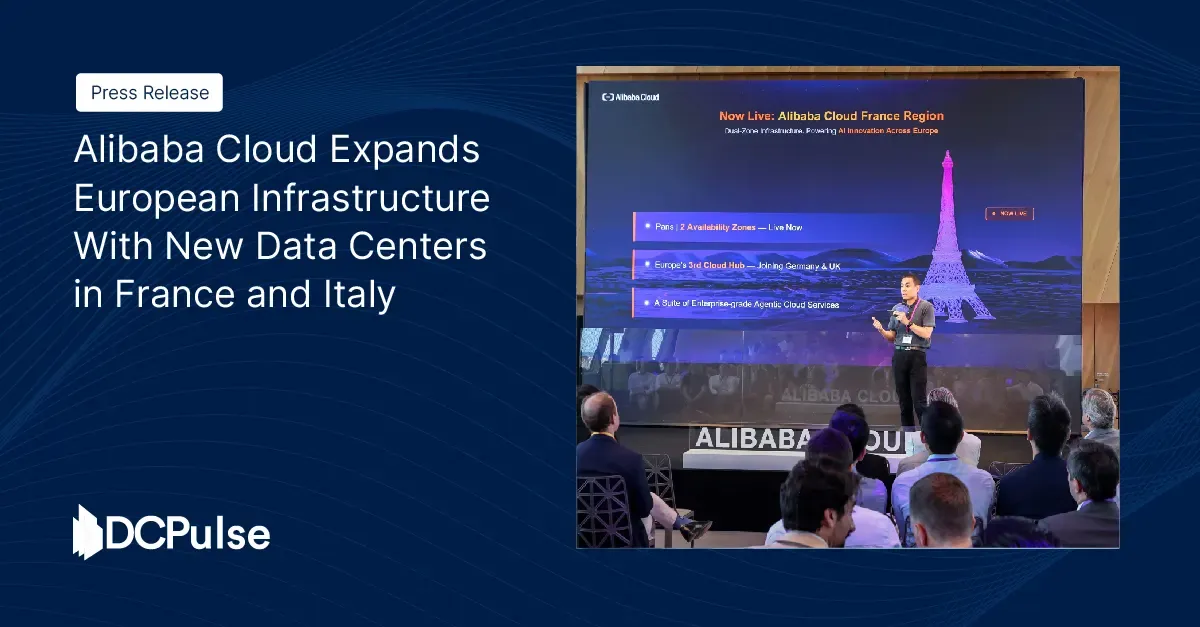
The expansion also aligns with Alibaba Cloud's ongoing global infrastructure strategy. Over the past year, the company has announced new cloud regions and AI infrastructure investments across Europe and Southeast Asia as competition among hyperscale cloud providers intensifies. Earlier this month, Alibaba Cloud launched a new cloud region in Malaysia's Johor state and announced a new public cloud region in France, extending its international network to support growing enterprise AI adoption.
Japan has become a focal point for hyperscale investment as demand for AI computing continues to reshape the country's digital infrastructure landscape. Global cloud providers, telecommunications companies, and colocation operators are expanding data center capacity to support GPU-intensive workloads that require higher rack densities, advanced cooling systems, and significantly greater power availability than 1 traditional enterprise applications.
Industry analysts expect AI to remain a primary driver of cloud infrastructure investment across Asia-Pacific over the coming years, with enterprises increasingly prioritizing local data residency, low-latency connectivity, and resilient multi-zone deployments. By expanding its infrastructure footprint in Japan, Alibaba Cloud is positioning itself to capture a larger share of this growing market while providing customers with a more robust foundation for AI development and cloud-based digital services.