DCPulse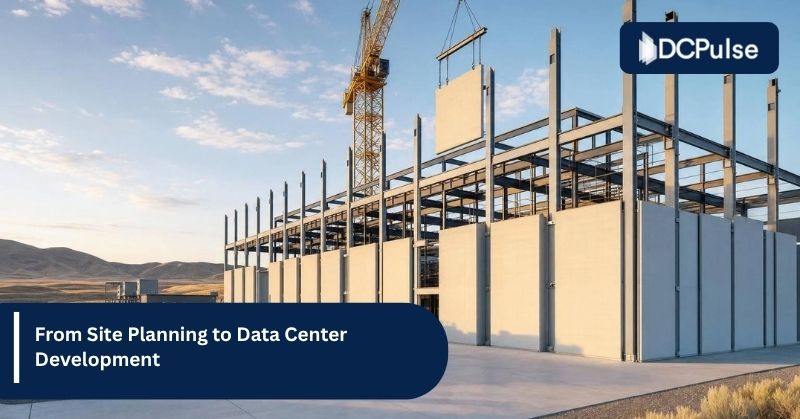
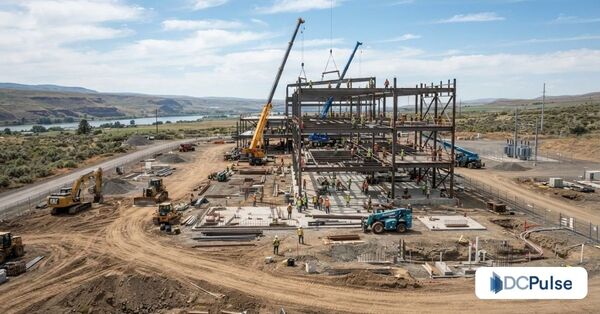
Sabey Data Centers has reached a major construction milestone at its SDC Umatilla campus in Northeast Oregon, moving the project from planning and site preparation into visible vertical construction. The company marked the transition with a "Going Vertical” ceremony on July 15, 2026, after the first structural steel was raised at the site. The milestone provides a clear indication that development has progressed beyond preparatory work and into the physical construction of the data center campus.
SDC Umatilla Moves Into Vertical Construction
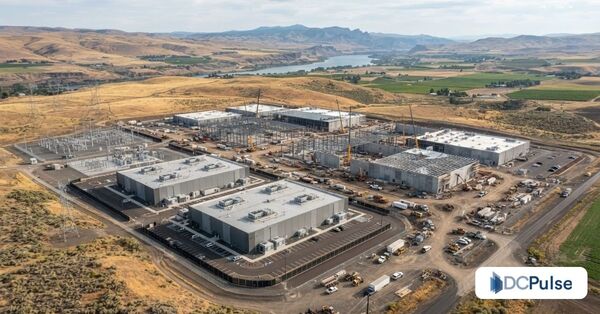
The SDC Umatilla development is located in Umatilla, Oregon, within the region that Sabey describes as the Columbia Cloud Corridor. The project has been planned as a multi-tenant data center campus intended to serve hyperscale, enterprise, and colocation customers. Sabey says the campus is being developed with flexibility, network connectivity, enterprise connectivity, and room for customers to scale their infrastructure.
The latest milestone is significant because structural steel marks a visible change in the project's development status. Years of planning, engineering, and site preparation have now translated into above-ground construction, creating a physical framework for the infrastructure that will eventually support computing, storage, engineering, and networking workloads.
The project's location also reflects the role of Northeast Oregon in the wider Pacific Northwest digital infrastructure landscape. Umatilla's position within the Columbia Cloud Corridor places the development in a region where data center operators can build infrastructure outside the largest established metropolitan markets while remaining connected to broader cloud and network ecosystems.
From Site Planning to a Data Center Campus
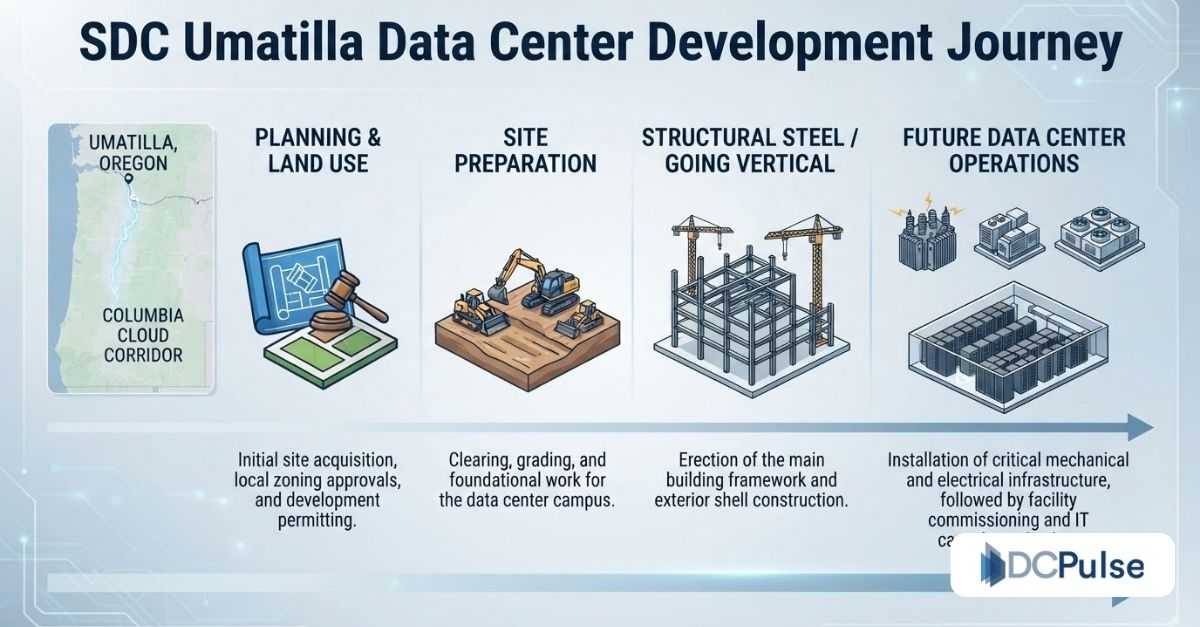
Local planning records show that the development has been progressing through formal land-use and site-planning processes. A City of Umatilla planning document from November 2023 identified the property on the south side of Wanapa Road and stated that the proposed development was a data center facility. The property was classified within the city's Heavy-Industrial M-2 zoning district.
The same planning record also shows that the site planning process accounted for infrastructure requirements associated with the future data center. A proposed flag lot was identified as necessary for the development of electrical utilities serving the planned data centers. The city concluded that the proposed replant could meet applicable land-division requirements subject to conditions of approval.
That progression illustrates an important characteristic of large data center developments. Physical construction represents only one stage of a much longer process involving land control, zoning, utility planning, engineering, permitting, site preparation, approval, preparation, and infrastructure coordination. SDC Umatilla's move into vertical construction therefore provides a tangible marker of progress through that development cycle.
Infrastructure Implications for the Pacific Northwest
The construction milestone comes as data center operators continue to evaluate locations capable of supporting cloud, enterprise, and artificial intelligence workloads. Sabey specifically positions SDC Umatilla for hyperscale, enterprise, and colocation customers, indicating that the campus is being designed around multiple potential demand profiles rather than a single customer category.
For the digital infrastructure market, that flexibility can be important because customer requirements vary considerably. Hyperscale deployments can require large blocks of power and highly scalable technical infrastructure, while enterprise and colocation customers can place greater emphasis on connectivity, deployment flexibility, and category. flexibility and access to professionally operated facilities.
The campus therefore represents more than a single construction project. Its development adds another potential location within the Pacific Northwest's broader network of data center infrastructure, creating additional physical capacity for organizations that require resilient computing environments.
The project's progression also highlights the importance of utility and infrastructure coordination. Sabey's July milestone event included utility partners alongside local and state leaders, contractors, construction teams, and environments. teams and design teams. That combination reflects the range of stakeholders required to move a large data center development from planning into construction.
Cooling and Resource Considerations
Cooling is another infrastructure consideration associated with the project. Sabey's announcement identifies a closed-loop cooling system as part of the development's approach to resource stewardship, although the company has not provided detailed operational performance figures in the milestone announcement.
The choice of cooling architecture is increasingly relevant as data center operators prepare facilities for higher-density computing. AI infrastructure in particular can place different thermal requirements on facilities than conventional enterprise workloads, making cooling design an important component of long-term data center planning.
For SDC Umatilla, the stated cooling approach forms part of the project's broader infrastructure strategy. Its significance will ultimately depend on how the system performs once the facility enters operation and actual workload and environmental conditions can be assessed.
Construction Progress Creates a New Development Phase
The first structural steel does not by itself indicate that the campus is operational or that customer capacity is already available. Instead, it establishes a new phase in the development timeline, with the project now visibly progressing through construction.
That distinction is important for data center customers and infrastructure investors tracking new capacity. A project can move through several stages before becoming operational, including structural construction, electrical and mechanical installation, commissioning, and construction. commissioning and customer deployment. The July milestone confirms progress at SDC Umatilla but does not establish a commercial service date.
Sabey said the project would continue with construction activity involving skilled tradespeople and local businesses as development advances. The company also highlighted collaboration with community and utility partners as part of the project's progression.
What SDC Umatilla Means for Regional Digital Infrastructure
SDC Umatilla's construction milestone adds another data center development to the Pacific Northwest at a time when the region remains relevant to cloud and digital infrastructure strategies. The campus is intended to support hyperscale, enterprise, and progression. enterprise and colocation requirements, giving the project potential relevance across several segments of the data center market.
The project's advancement also demonstrates how regional data center ecosystems develop over time. Land availability, industrial zoning, electrical infrastructure, connectivity, construction capabilities, and local partnerships all contribute to whether a proposed campus can move from concept to physical development.
For Umatilla, the transition to vertical construction turns a planned data center development into a visible infrastructure project. The next stages will determine how quickly the campus advances toward completed buildings, installed technical systems, and development. systems and eventual operational capacity.
For the wider digital infrastructure industry, the milestone offers a concrete update on the expansion of data center infrastructure in Northeast Oregon. SDC Umatilla has moved beyond planning and site preparation, with structural steel now rising at the site and the project entering its next phase of development.