Pranav Hotkar
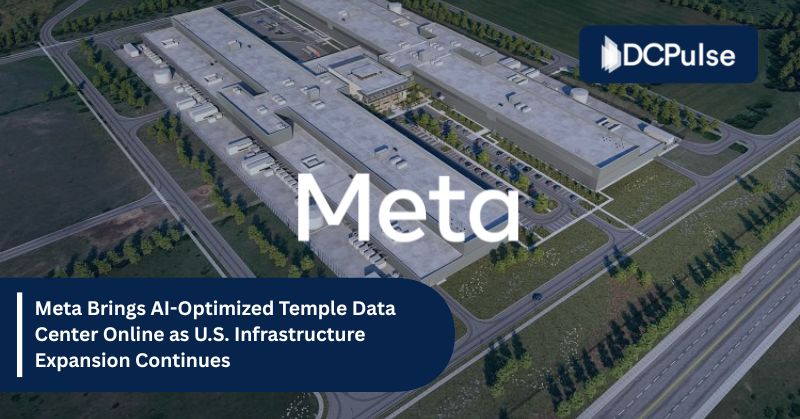
Mount Pleasant, Wis. - June 23, 2026 - Microsoft has completed construction and begun operations at the first facility on its Mount Pleasant data center campus, marking a significant milestone in the company's multibillion-dollar AI infrastructure expansion in Wisconsin.
The newly operational facility, known internally as Fairwater, is the first completed building within Microsoft's planned hyperscale campus in Racine County. The company said startup activities began in April, and the data center is now fully operational, providing additional compute capacity to support Microsoft's growing portfolio of AI and cloud services. The project forms part of the company's broader investment in AI infrastructure across the United States.
Microsoft said the first phase was completed ahead of schedule after nearly two years of construction involving approximately 10,000 workers. The campus currently employs about 550 full-time staff, with employment expected to increase to around 800 once a second adjacent data center, already under construction, is completed in 2028.
The Mount Pleasant development is part of Microsoft's previously announced USD 7.3 billion investment in Wisconsin. Earlier this year, local officials approved site plans that could allow the campus to expand by as many as 15 additional data center buildings over the coming decade, potentially transforming the site into one of the largest AI infrastructure hubs in the Midwest.
Located on land originally assembled for the Foxconn manufacturing project, the campus reflects a broader shift in how former industrial sites are being repurposed to support the rapid growth of AI computing. Existing power infrastructure, transportation access, and available land have made the location attractive for hyperscale development, allowing Microsoft to accelerate deployment while leveraging infrastructure investments already made in the region.
The completion comes as Microsoft continues expanding its global AI footprint through new data center campuses in markets including Texas, Europe, and Asia. Demand for generative AI services has significantly increased the need for high-density computing environments capable of supporting advanced GPU clusters, prompting hyperscalers to invest heavily in new capacity, resilient power systems, and advanced cooling technologies.
Local officials said the project is expected to generate long-term economic benefits through technology employment, construction activity, and increased tax revenue. Microsoft has also highlighted workforce development initiatives and community partnerships designed to support the region as the campus expands.
With its first Mount Pleasant facility now online and additional buildings already in development, Microsoft is strengthening Wisconsin's role in its global cloud infrastructure network. The campus is expected to provide the scalable computing capacity needed for Azure, Copilot, and other AI services while positioning the state as an emerging destination for hyperscale data center investment in the United States.

.jpg)