DCPulse

The 2026 Hoboken Annual WIFFLE Ball Classic brings together community participation, sports, and charitable support through an event centered on more than competition. The initiative supporting Angelwish highlights how local gatherings can help organizations connect with communities, raise awareness, and contribute to causes that extend beyond the playing field.
Although the event is rooted in recreational sports, its broader message reflects an increasingly important theme across technology and infrastructure industries: community engagement remains a meaningful part of how organizations build relationships, demonstrate social responsibility, and connect their business activities with local communities.
For companies operating in the data center, cloud infrastructure, artificial intelligence, and digital infrastructure sectors, community-focused initiatives are becoming an important consideration as physical infrastructure expansion creates closer relationships with the communities where facilities are developed.
A Community Event With a Purpose

The Hoboken Annual WIFFLE Ball Classic provides a platform for participants to come together through a familiar recreational activity while supporting Angelwish. The event combines the social appeal of sports with charitable participation, creating an opportunity for individuals and organizations to contribute to a broader community effort.
Angelwish is associated with charitable initiatives focused on supporting people in need. Events such as the WIFFLE Ball Classic provide a way to bring supporters together around a shared purpose while creating opportunities for participation outside traditional fundraising channels.
The importance of community events extends beyond the amount of money raised or the number of people attending. Local engagement can help build awareness, encourage participation, and strengthen relationships among individuals, businesses, and charitable organizations.
For infrastructure companies, these activities can also provide a more direct connection to the communities surrounding their operations.
Digital Infrastructure Companies and Community Responsibility
Data centers have become essential components of the modern digital economy. Cloud platforms, AI applications, financial services, telecommunications networks, enterprise software, and online services increasingly depend on facilities capable of providing continuous computing capacity.
The growing demand for digital infrastructure is driving new investments in data center campuses, network facilities, power infrastructure, and cooling systems. As developments expand across different regions, operators are increasingly interacting with local governments, residents, businesses, utilities, and community organizations.
Community involvement is therefore becoming an important element of the broader infrastructure development environment.
Companies building or operating large facilities may engage with local communities through charitable programs, educational initiatives, workforce development, environmental activities, and sponsorships. These efforts can help establish relationships beyond the technical and commercial aspects of infrastructure development.
Events such as the Hoboken WIFFLE Ball Classic demonstrate how community participation can take place through accessible activities that bring people together.
The Local Impact of Data Center Expansion
Data center development involves more than constructing buildings filled with servers and networking equipment. Projects require land, electricity, fiber connectivity, water or alternative cooling resources, construction services, and long-term operational support.
These requirements can influence local communities in several ways. Construction activity can create demand for contractors and specialized labor, while operational facilities may support employment across engineering, maintenance, security, networking, electrical systems, and facility management.
At the same time, the expansion of digital infrastructure can introduce local concerns involving electricity demand, land use, water consumption, noise, and the availability of resources for other industries and residents.
The relationship between infrastructure operators and surrounding communities is consequently becoming more important. Clear communication, responsible development practices, and meaningful community participation can contribute to a more constructive environment for long-term infrastructure investment.
Charitable activities and community events are one part of that relationship, although they are not substitutes for addressing the practical impacts of infrastructure development.
Why Community Engagement Matters in the AI Infrastructure Era
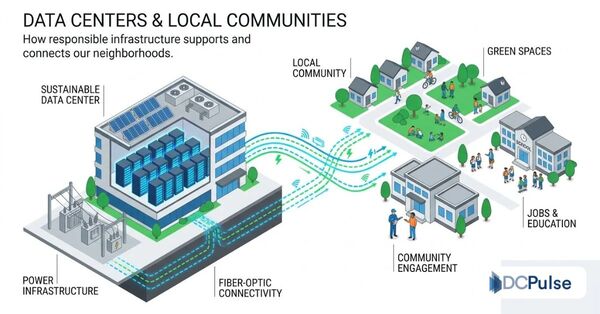
Artificial intelligence is accelerating demand for computing infrastructure, creating new requirements for power capacity, advanced cooling, high-performance networking, and specialized data center design.
AI-focused facilities can require substantial infrastructure investment, with developers increasingly seeking locations that offer access to electricity, suitable land, connectivity, and favorable development conditions. The scale of these investments can make local engagement an important factor throughout the development process.
Community expectations are also evolving. Residents may want to understand how new infrastructure projects will affect local resources, employment opportunities, environmental conditions, and economic activity.
A company’s approach to community engagement can therefore become part of its broader operational reputation. Beyond technology, stakeholders may consider how operators communicate, participate in local initiatives, and respond to community priorities.
The social dimension of digital infrastructure is not limited to large corporate programs. Smaller initiatives, local sponsorships, charitable events, and volunteer activities can also provide opportunities for companies and employees to participate in the communities where they work.
Connecting Technology Businesses With Local Communities
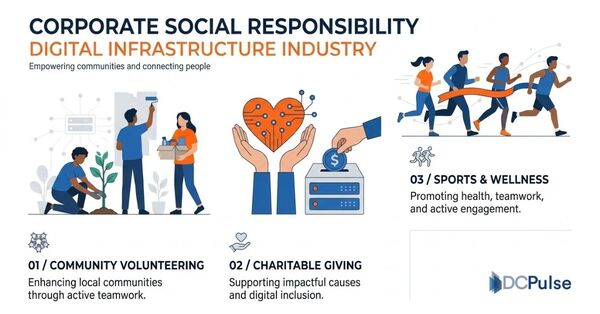
The digital infrastructure industry is supported by a broad ecosystem of companies, including data center operators, cloud providers, network carriers, construction firms, equipment manufacturers, energy providers, and technology vendors.
Many of these organizations operate across multiple regions, but their facilities remain physically connected to individual communities. Local relationships can influence how projects are understood, how businesses participate in regional development, and how employees engage outside their professional responsibilities.
Community events can create a different type of interaction between companies and the public. Sports activities, charitable gatherings, and local sponsorships offer opportunities for participation that are not centered on infrastructure construction, technology products, or commercial transactions.
The Hoboken Annual WIFFLE Ball Classic supporting Angelwish fits within this broader approach to community participation. Its focus on recreation and charitable support provides a reminder that community involvement can take many forms, including events that bring people together around shared interests.
A Broader View of the Digital Infrastructure Industry
The global expansion of data centers and AI infrastructure is placing greater attention on the companies responsible for building and operating the physical foundations of digital services. Power availability, cooling efficiency, network capacity, construction timelines, and capital investment remain central industry priorities.
However, long-term infrastructure development also involves people, communities, and local relationships.
The industry's future growth will depend not only on the ability to deliver computing capacity but also on how projects interact with the regions in which they operate. Responsible infrastructure development requires attention to local conditions, transparent communication, environmental considerations, and community priorities.
Charitable events such as the Hoboken Annual WIFFLE Ball Classic offer a small but visible example of how community-focused activities can create connections outside the traditional business environment.
Supporting Angelwish through a sporting event places the emphasis on participation, shared experiences, and charitable engagement. For an industry increasingly defined by large-scale investment and complex infrastructure, those community connections remain an important part of the broader story of digital transformation.