DCPulse
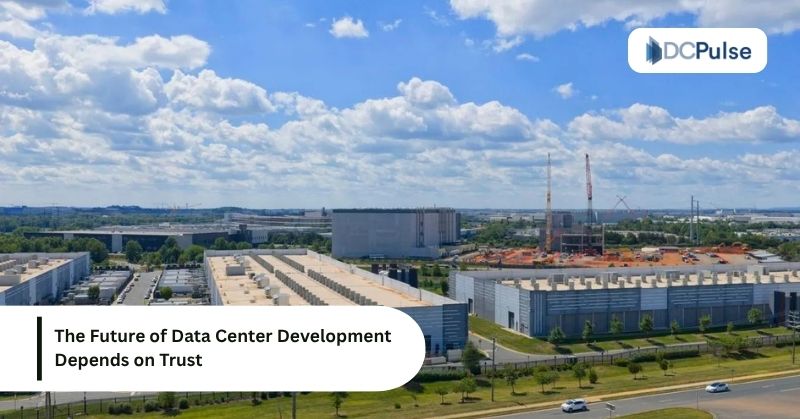
The rapid expansion of artificial intelligence is increasing demand for the digital infrastructure needed to train models, operate AI applications, and deliver cloud services. Data centers have consequently become an important part of technology investment discussions, but their development is also attracting greater attention from the communities expected to host them. Questions about electricity consumption, water use, land development, noise, and local economic benefits are increasingly relevant to how proposed projects are evaluated.
For developers, the challenge extends beyond securing land, obtaining permits, and arranging power connections. Community acceptance can influence project timelines, planning decisions, and the long-term relationship between infrastructure operators and local stakeholders. Residents may recognize the economic opportunities associated with new technology investments while remaining concerned about how those projects could affect their neighborhoods.
The phrase “Save Our City” captures a broader tension between technological expansion and local priorities. As AI data center campuses become more prominent in development discussions, responsible developers must demonstrate how projects will fit into their surroundings, manage environmental impacts, and deliver credible benefits. Community trust is becoming an important consideration in the planning and delivery of digital infrastructure.
Why AI Data Centers Are Facing Greater Community Scrutiny
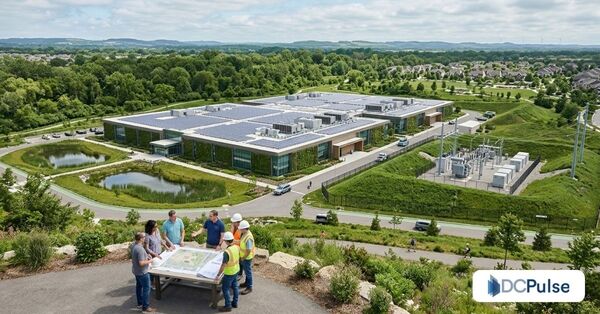
AI infrastructure differs from many conventional commercial developments because its operational requirements can place substantial demands on electricity infrastructure, cooling systems, and supporting utilities. The precise impact depends on a facility's size, computing configuration, cooling technology, energy sources, and operating model.
For communities, these technical characteristics translate into practical questions. Residents may want to understand how a proposed campus will affect local electricity infrastructure, whether its cooling systems will require significant water resources, and how construction traffic or operational noise could affect nearby homes and businesses.
Land use is another important consideration. Large data center campuses can require substantial sites for buildings, electrical infrastructure, backup systems, roads, and other supporting facilities. In areas experiencing housing pressures, industrial expansion, or competing demands for land, residents may question whether a proposed development represents the most appropriate use of available space.
Public concerns can become more pronounced when project announcements provide limited information about resource requirements, environmental impacts, or community benefits. Uncertainty does not necessarily indicate opposition to digital infrastructure itself. It can instead reflect a lack of confidence that local priorities have been adequately considered.
For developers, early engagement provides an opportunity to understand these concerns before they become entrenched in planning disputes or public opposition.
Electricity Demand and Grid Readiness Must Be Addressed Early
Electricity availability is one of the central considerations in AI data center development. High-performance computing infrastructure requires reliable power, while cooling equipment and other facility systems contribute to overall energy demand. Large projects may therefore require coordination with utilities, grid operators, and other electricity users.
Local residents may be concerned that a new campus could compete with households and businesses for electricity or require expensive infrastructure upgrades. The actual implications depend on local grid conditions, project demand, utility planning, and the arrangements governing infrastructure investment.
Responsible developers should explain anticipated power requirements, the proposed connection strategy, and the steps being taken to coordinate with relevant utilities. Where additional substations, transmission connections, or other upgrades are necessary, clear communication about responsibilities and implementation timelines can help communities understand the development process.
Renewable energy procurement can also form part of the discussion. However, developers should distinguish between purchasing renewable electricity, signing power purchase agreements, and physically supplying a facility with renewable power at every hour. These arrangements can have different implications for emissions and grid operations.
Credible communication requires project-specific information rather than broad promises about clean energy. Transparent reporting on energy use, efficiency, electricity sourcing, and relevant infrastructure commitments can provide a stronger foundation for public confidence.
Water, Cooling, and Environmental Responsibility
Cooling requirements are another major issue in discussions about AI data centers. Facilities may use air-based cooling, liquid cooling, evaporative systems, or combinations of technologies, depending on their design and computing requirements. Each approach has different implications for energy consumption, water use, equipment design, and operational performance.
Community concerns are particularly important in locations experiencing water scarcity or competing demands from agriculture, households, and industry. A project that relies on water-intensive cooling in a stressed watershed may face different environmental and public acceptance challenges from one located in a water-abundant region using a different cooling strategy.
Developers should evaluate local water availability, applicable regulations, and the potential cumulative impact of multiple proposed facilities. Public disclosures can explain expected water requirements, the planned cooling configuration, and opportunities to reduce freshwater consumption.
Environmental responsibility also extends beyond cooling. Construction can affect traffic, local air quality, noise levels, and surrounding habitats, depending on the site and project design. Backup power systems, electrical equipment, and construction activities require appropriate assessment and management.
A credible environmental strategy should therefore be grounded in measurable commitments and applicable assessments. General statements about sustainability are less informative than project-specific explanations of resource requirements, mitigation measures, and monitoring arrangements.
Community Engagement Should Begin Before Construction
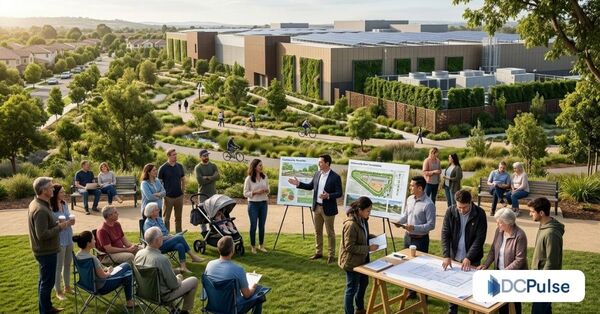
Community trust is difficult to establish through a single public meeting or a promotional announcement. Residents need opportunities to ask questions, understand potential impacts, and receive clear answers from people who can explain the project and its development process.
Early engagement allows developers to identify concerns while design decisions may still be adjustable. Discussions can cover building placement, landscaping, traffic routes, noise controls, construction schedules, and the location of electrical and mechanical infrastructure.
Local authorities, community organizations, nearby businesses, and residents may have different priorities. A useful engagement process recognizes these differences rather than treating the community as a single group with identical expectations.
Accessible information is particularly important. Technical documents about power demand, cooling systems, and environmental assessments can be difficult to interpret without explanation. Plain-language summaries, public information sessions, and clearly identified contacts can help residents understand the implications of a proposed facility.
Developers should also explain which decisions remain open to change and which are constrained by technical requirements, planning rules, or existing approvals. Honest communication about limitations is more credible than suggesting that every concern can be resolved.
Ongoing engagement after construction begins can help maintain accountability. Regular updates, complaint-response procedures, and public reporting on agreed commitments give residents a way to assess whether the developer is following through on its promises.
Local Economic Benefits Need Clear Evidence
Data center development can create opportunities for construction contractors, electrical specialists, cooling-system suppliers, security providers, and other service businesses. Facilities also require operational staff to manage equipment, maintenance, security, and supporting functions.
However, the scale and distribution of these benefits vary by project. Construction employment may be temporary, while permanent staffing requirements depend on facility design, automation, operating practices, and the number of buildings involved.
Communities may therefore question whether a large development will generate meaningful local employment or primarily serve a wider technology market. Developers can address these concerns by publishing realistic information about expected construction activity, permanent roles, procurement opportunities, and workforce requirements when those details are available.
Partnerships with technical colleges, workforce development organizations, and local contractors may help connect residents with relevant opportunities. Local procurement programs can also make it easier for smaller businesses to understand qualification requirements and participate in the supply chain.
Other potential community benefits, such as infrastructure improvements or local investment programs, should be described in terms that residents can evaluate. Commitments need clear responsibilities, realistic timelines, and transparent reporting rather than vague promises of economic transformation.
Planning Rules and Accountability Shape Public Confidence
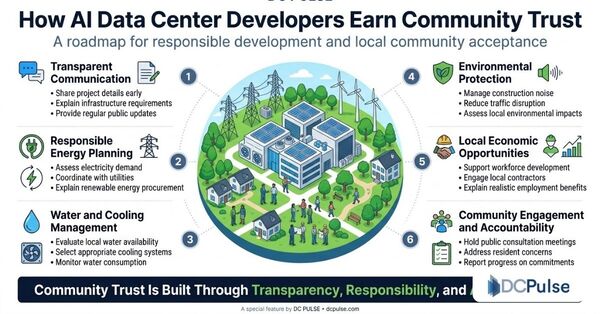
Local governments face the challenge of balancing investment, infrastructure readiness, environmental protection, and community priorities. Data center proposals can require coordination across planning departments, utility providers, environmental regulators, and other public agencies.
Responsible developers can support this process by providing consistent project information and engaging with relevant authorities early. Assessments should address applicable requirements and consider the combined effects of development where multiple facilities are proposed within the same region.
Transparency around permitting, resource use, and mitigation measures can help residents understand how decisions are made. Where regulations require public consultation or environmental review, developers should treat these processes as substantive opportunities to address concerns rather than administrative hurdles.
Accountability also matters after a project receives approval. Construction methods, equipment selections, power arrangements, and operational practices can evolve over time. Clear procedures for communicating material changes can help prevent a gap between what residents were told during planning and what ultimately operates at the site.
For operators managing multiple campuses, consistent standards for environmental reporting, community engagement, and complaint resolution can help establish a more dependable approach across different locations.
The Future of Data Center Development Depends on Trust
AI is expanding the need for computing infrastructure, but the success of individual data center projects depends on more than technical capability or access to capital. Electricity supply, cooling requirements, land availability, planning conditions, and community expectations all influence where facilities can be developed and how they operate.
The “Save Our City” response reflects the importance of local concerns in decisions about large infrastructure projects. Responsible development does not require communities to accept every proposal, nor does it mean that every environmental or economic concern can be eliminated. It requires developers to provide credible information, consider alternatives, acknowledge trade-offs, and demonstrate accountability.
For the data center industry, community trust can become a practical component of project planning rather than a communications exercise introduced after opposition emerges. Early engagement, transparent resource disclosures, realistic economic commitments, and continued dialogue can help developers identify problems before they become more difficult to resolve.
As AI infrastructure expands, the relationship between developers and host communities will remain an important part of the industry's long-term development. Projects that combine reliable technical design with responsible environmental management and meaningful public engagement will be better positioned to demonstrate their value to the places where they operate.