DCPulse
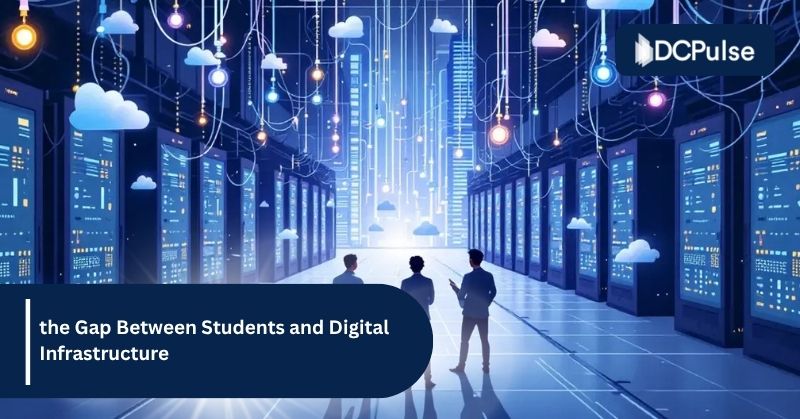
The expansion of artificial intelligence, cloud computing, and data center infrastructure is creating new demands across the digital economy, but many students remain unfamiliar with the people, skills, and career pathways behind these technologies. The Nomad Futurist Foundation is working to address that disconnect by connecting students directly with industry professionals, educational resources, and opportunities to explore the digital infrastructure sector.
One example came through the foundation’s participation in Bisnow’s DICE National event, where nine master’s students received access to industry discussions, professional networking, and mentorship. The initiative offered students an opportunity to move beyond academic study and engage with the organizations and professionals shaping data centers, energy, connectivity, cloud platforms, and AI infrastructure.
The initiative highlights a workforce development challenge for the industry: building digital infrastructure requires more than investment in buildings, power, cooling, and computing equipment. It also requires a pipeline of people who understand how these systems work, how the different disciplines connect, and where their existing skills can contribute.
Connecting Education With the Digital Infrastructure Industry
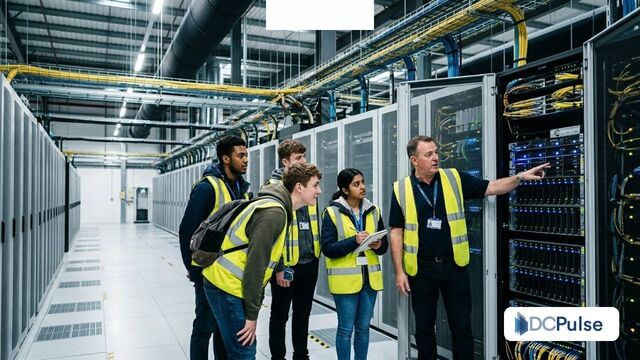
Digital infrastructure supports everyday services ranging from online transactions and enterprise applications to AI tools and cloud-based platforms. Despite its central role in the modern economy, the sector can remain largely invisible to students who interact with digital services without encountering the physical facilities and technical teams that keep them running.
The Nomad Futurist Foundation focuses on making these technologies and career opportunities more accessible. Its education and outreach activities aim to introduce learners to the infrastructure behind digital services while creating connections with people already working in the industry. The foundation also supports education and retraining initiatives for adults who may have transferable skills but have not previously considered digital infrastructure as a career path.
For students, direct exposure can help translate broad academic subjects into practical professional possibilities. Engineering students may discover opportunities involving electrical systems, facility design, and critical environments. Students studying data science, quantitative finance, analytics, or strategy may find connections with infrastructure planning, investment, operations, and business development.
That range of possibilities matters because data center development depends on an ecosystem of specialists rather than a single technical profession. Electrical and mechanical engineering, network architecture, cybersecurity, construction, energy management, procurement, finance, and project delivery all contribute to bringing infrastructure online and operating it reliably.
Mentorship Turns Industry Exposure Into Career Connections

Access to industry events can be valuable when students have opportunities to engage with experienced professionals rather than simply observe presentations. At DICE National, participating students were paired individually with Nomad Futurist leaders who helped guide them through the event, make introductions, and connect with people across the digital infrastructure ecosystem.
The mentoring approach addressed a common barrier facing people entering a specialized industry: limited access to professional networks. Students can develop relevant academic knowledge without knowing which employers to approach, how different roles relate to their studies, or what practical experience employers expect.
Conversations with operators, engineers, developers, and decision-makers can help make those questions more concrete. Students can learn how technical teams collaborate, how infrastructure projects progress, and how commercial decisions intersect with operational requirements. These discussions can also help industry professionals understand the interests and capabilities of emerging talent.
The value of mentorship extends beyond a single conference. Continued relationships can help students identify learning priorities, refine their career interests, and discover opportunities to gain relevant experience. For employers, engagement with students offers an opportunity to introduce the industry to people whose skills may fit roles that are not always widely understood outside the sector.
A Broader Talent Pool for Data Centers and AI Infrastructure
The workforce question has become increasingly important as the digital infrastructure sector responds to demand for cloud services and AI computing. Data center facilities require coordinated expertise across power distribution, cooling, networking, security, hardware, and building operations. AI infrastructure adds further complexity through high-density computing and the need to align IT systems with available electrical and thermal capacity.
These requirements create opportunities for students with different educational backgrounds. A career in digital infrastructure does not necessarily begin with a degree specifically focused on data centers. Relevant foundations can come from engineering, information technology, data science, supply chain management, business, finance, communications, and other disciplines.
The challenge is helping students recognize those connections early enough to make informed choices about training and employment. Industry engagement can show how existing capabilities translate into practical responsibilities while highlighting areas where additional technical qualifications or hands-on experience may be necessary.
The Nomad Futurist Foundation’s wider education model includes learning resources, mentorship, scholarships, and partnerships intended to increase awareness of digital infrastructure careers. Its academy also promotes courses and learning opportunities covering subjects such as data centers, sustainability, AI, and related technologies.
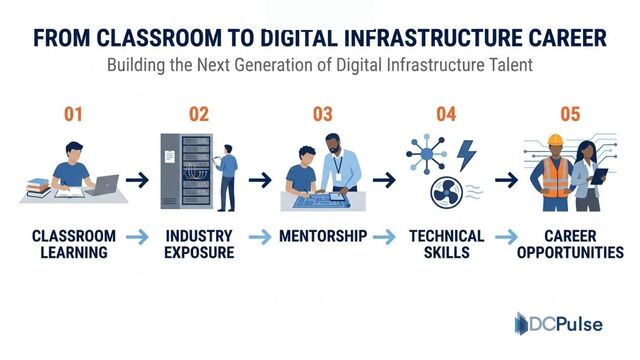
Such initiatives complement formal education rather than replace it. Classroom learning provides foundational knowledge, while practical exposure helps learners understand how that knowledge applies in operating environments where safety, uptime, cost, and reliability are critical considerations.
From a One-Time Event to Ongoing Career Development
The DICE National initiative also illustrates why workforce programs need continuity. A conference can introduce students to employers and industry leaders, but lasting career outcomes generally require further engagement, skill development, and access to opportunities.
Following the event, several participating students were being onboarded as Nomad Futurist Foundation Student Advocates, with continued mentorship, networking, educational resources, and support planned as they began developing their careers. The foundation also invited industry professionals to connect with participating students and help extend those relationships beyond the event.
This approach creates a potential bridge between awareness and participation. Students can continue exploring roles after their first industry exposure, while professionals can offer guidance and help identify relevant next steps. Internships, apprenticeships, scholarships, site visits, and structured training can provide additional ways to connect interest with practical experience.
For data center operators and service providers, engagement with emerging talent can also support longer-term workforce planning. Organizations that explain their roles, skills requirements, and career pathways may help students see the sector as a viable professional destination before they commit to another field.
However, the effectiveness of these initiatives depends on follow-through. Mentorship needs to be accessible, learning opportunities must be relevant, and employers need to provide clear routes into suitable roles. Participation at an event alone does not establish employment outcomes, so the long-term impact is best assessed through continued engagement, training progression, internships, and career development.
Industry Partnerships Can Strengthen the Talent Pipeline
Education providers, nonprofit organizations, conference organizers, and infrastructure companies each have a role in expanding access to digital infrastructure careers. Partnerships can bring industry knowledge into educational settings while giving students opportunities to meet employers and understand the practical demands of different roles.
The foundation’s partnerships and event participation reflect this collaborative model. Its work with industry organizations has included educational programming, training resources, and efforts to raise awareness of career opportunities. A previous partnership with JLL, for example, focused on expanding access to technical education and professional development for people interested in data center operations.
For the wider industry, these relationships offer a way to approach workforce development as a shared responsibility. Companies can contribute mentors, technical expertise, site access, internships, and career guidance. Educational institutions can help students build foundational knowledge, while industry associations and events can connect learners with employers and professional networks.
The model is particularly relevant as digital infrastructure expands across different markets. A broader range of entry points can help organizations reach candidates who may not otherwise encounter the sector, including people from communities with limited access to technical education or professional networks.
The Outlook for Digital Infrastructure Careers
The next phase of digital infrastructure development will depend on both physical capacity and the availability of people who can design, build, maintain, secure, and manage it. Investment in AI computing and cloud services cannot deliver its intended value without skilled teams supporting the underlying systems.
Nomad Futurist’s student engagement initiative demonstrates one practical way to make those careers more visible. By bringing students into industry environments, connecting them with mentors, and maintaining relationships beyond an individual event, the foundation is working to narrow the distance between education and employment.
For data center operators, cloud providers, and infrastructure developers, the broader lesson is that talent development should begin before vacancies arise. Early career awareness, relevant training, meaningful mentorship, and accessible professional networks can help more students understand where they fit into the digital infrastructure ecosystem.
The long-term outcome will depend on whether initial exposure develops into sustained learning and genuine employment opportunities. As the sector continues to evolve, building those connections will remain an important part of preparing the workforce needed to support the digital economy.