DCPulse
The digital infrastructure industry is facing a workforce challenge that extends beyond recruitment. As datacenters expand, cloud platforms evolve, and artificial intelligence increases demand for specialized computing resources, operators need teams capable of maintaining complex systems, responding to operational incidents, and adapting to changing technical requirements. A diverse workforce can broaden the industry's talent pool, but creating an environment where employees feel included, respected, and able to contribute is equally important.
The distinction between diversity and belonging has practical implications for datacenter operators, cloud service providers, networking companies, and digital infrastructure developers. Recruitment can bring different experiences and perspectives into an organization, while workplace culture influences whether employees can apply their skills, develop professionally, and remain engaged over time.
For an industry responsible for increasingly critical digital services, belonging is not simply a human resources objective. It can also form part of a broader strategy for building resilient teams, strengthening knowledge transfer, and supporting long-term operational performance.
Why Digital Infrastructure Needs Stronger Teams
Datacenter operations depend on a combination of engineering expertise, technical coordination, and disciplined operational procedures. Electrical engineers, cooling specialists, network architects, systems administrators, security professionals, and facilities technicians often need to work together to maintain reliable services.
The growing complexity of digital infrastructure adds further demands. High-density computing environments, AI infrastructure deployments, advanced cooling systems, and increasingly interconnected networks require coordination across disciplines that have traditionally operated within separate technical functions.
Technical Collaboration and Operational Reliability
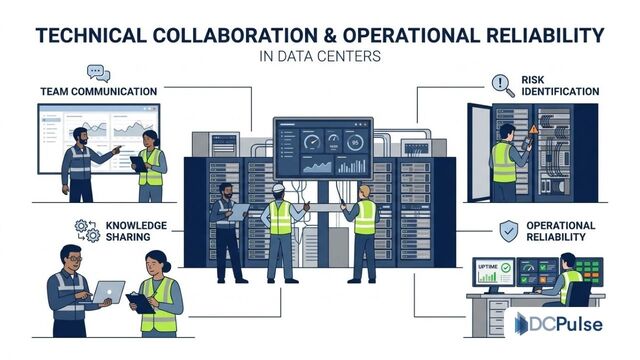
Workforce planning must therefore address more than the number of people available to fill vacancies. Organizations also need employees who can communicate across teams, identify operational risks, share specialized knowledge, and make decisions under pressure.
A workplace where employees feel comfortable raising concerns and asking questions can support these objectives. In datacenter environments, where maintenance activities, equipment changes, and incident response may involve several teams, effective communication is particularly important.
Belonging does not replace technical competence or established safety procedures. Instead, it concerns whether employees have the opportunity and confidence to contribute their expertise within the operational structures that support those requirements.
Diversity Opens the Door, but Belonging Shapes the Experience
Diversity and belonging address related but different organizational challenges. Diversity concerns the representation of people with different backgrounds, experiences, skills, and perspectives. Belonging concerns whether individuals feel accepted, respected, and able to participate meaningfully in their workplace.
Recruitment initiatives can help infrastructure companies reach candidates from a broader range of educational, professional, and demographic backgrounds. However, representation alone does not establish whether employees have equal access to development opportunities, meaningful assignments, or professional recognition.
Creating Fair Opportunities for Infrastructure Professionals
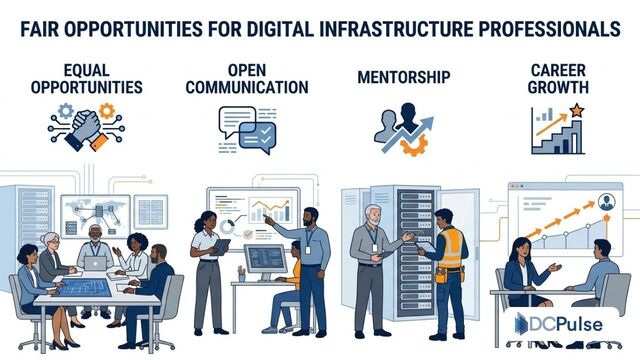
For example, an engineer joining a datacenter team may possess the necessary qualifications but still struggle to contribute if meetings discourage questions, informal networks control access to important information, or advancement criteria remain unclear. Similar barriers can affect technicians, early-career professionals, contractors, and experienced employees moving into unfamiliar technical specialties.
These situations illustrate why workforce inclusion requires attention to everyday management practices rather than recruitment figures alone.
Clear expectations, transparent performance assessments, accessible training, and consistent feedback can help employees understand how to succeed. Managers also influence whether different viewpoints receive serious consideration and whether concerns are addressed constructively.
For digital infrastructure companies, the objective is to create working environments where professional contribution is determined by capability, performance, and relevant expertise rather than an employee's ability to navigate unwritten cultural expectations.
The Connection Between Belonging and Operational Resilience
Operational resilience depends on reliable processes, suitable technology, and people who can recognize and respond to emerging problems. While belonging alone cannot guarantee better operational outcomes, workplace conditions can influence how effectively employees communicate and collaborate.
Communication During Datacenter Incidents
Datacenter incidents frequently require coordinated responses across facilities, network operations, hardware engineering, security, and software teams. Information must move between specialists who may have different responsibilities and technical priorities.
An environment where employees can raise concerns without unnecessary fear of embarrassment or retaliation can support the reporting of potential problems. A junior technician who feels comfortable questioning an unexpected equipment reading, for instance, may contribute information that warrants investigation before a maintenance activity proceeds.
Such outcomes also depend on formal escalation procedures, technical training, clear accountability, and a culture that treats safety and incident reporting seriously. Belonging is one element of that broader operating environment, not a substitute for sound engineering controls.
Knowledge Retention and Workforce Continuity
Knowledge retention is another consideration. Digital infrastructure organizations often rely on experienced personnel who understand site-specific equipment, established procedures, vendor relationships, and the history behind technical decisions. When employees leave, that knowledge can be difficult and time-consuming to replace.
A workplace that offers fair treatment, development opportunities, and meaningful participation may help organizations build stronger employee relationships. Retention, however, is influenced by multiple factors, including compensation, career prospects, workload, management quality, and working conditions.
Building Belonging Across Datacenter Operations
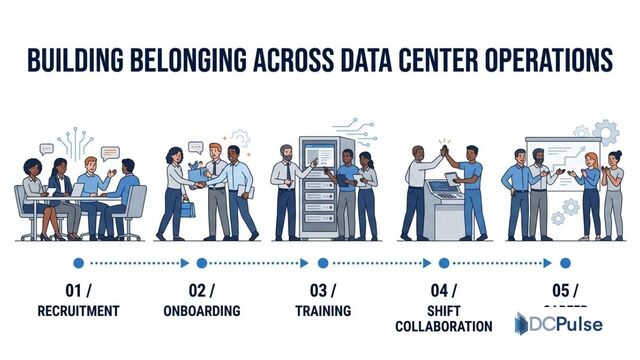
Creating a stronger sense of belonging requires practical changes that extend beyond corporate statements and annual awareness campaigns. Infrastructure leaders can begin by examining the employee experience across recruitment, onboarding, training, shift work, promotion, and everyday operational collaboration.
Improving Onboarding and Shift Communication
Onboarding is especially relevant for organizations with geographically distributed facilities or highly specialized technical roles. New employees need clear explanations of operational procedures, escalation channels, safety expectations, and team responsibilities. Access to experienced colleagues and structured knowledge-sharing arrangements can help them become effective members of the operation.
Shift-based work also presents specific challenges. Datacenter teams may operate across day, night, weekend, and rotating schedules, limiting opportunities for employees to participate in meetings, training sessions, and informal discussions. Consistent communication practices can help ensure that essential information reaches staff across shifts.
Expanding Training and Career Development
Professional development represents another important area. Access to certifications, cross-functional assignments, mentoring, and technical training can help employees build expertise while supporting organizational succession planning.
Managers also need to examine how decisions are made. Transparent promotion criteria, consistent performance reviews, clear task allocation, and accessible feedback mechanisms can reduce reliance on informal relationships when determining who receives opportunities.
These practices are particularly relevant in organizations that operate multiple data centers across different regions, where local management approaches and workplace expectations may vary.
Measuring Progress Beyond Representation
Workforce diversity metrics provide useful information about recruitment and representation, but they cannot independently establish whether employees experience belonging. Infrastructure companies seeking a fuller picture need to examine both workforce composition and the quality of the workplace experience.
Using Employee Feedback and Retention Data
Employee surveys can explore whether staff feel respected, understand advancement opportunities, trust their managers, and feel comfortable raising operational concerns. Retention patterns, promotion outcomes, training participation, and internal mobility can provide additional context.
The interpretation of these measures requires care. Differences between teams or locations may reflect several factors, including role requirements, local labor markets, shift arrangements, management practices, or organizational restructuring. A single indicator should not be treated as definitive evidence of an inclusion problem or its solution.
Confidential feedback mechanisms and appropriate privacy safeguards are also important. Employees need confidence that sensitive workplace concerns will be handled responsibly and that participation in feedback processes will not expose them to unfair treatment.
For senior infrastructure leaders, the practical objective is to connect workforce information with management decisions. Evidence about employee experience can help identify areas where communication, development opportunities, scheduling, or leadership practices require improvement.
Preparing the Infrastructure Workforce for AI Expansion
AI infrastructure is changing the skills and coordination required across the digital infrastructure sector. GPU-based computing, advanced networking, power distribution, and cooling technologies create opportunities for employees to develop expertise across interconnected technical disciplines.
Developing Skills for Emerging Infrastructure Roles
Competition for specialized talent makes workforce development an important consideration for infrastructure organizations. Apprenticeships, technical education partnerships, internal training, and career-transition programs can help expand the pool of people prepared for infrastructure roles.
Belonging can complement these efforts by supporting an environment in which employees from different professional backgrounds can learn, share knowledge, and pursue development opportunities. Experienced facilities technicians, for example, may bring operational knowledge that complements the expertise of engineers working on newer AI infrastructure systems.
Organizations must still provide the technical training, certification, supervision, and safety controls required for specific responsibilities. An inclusive culture cannot compensate for inadequate preparation, but it can help create conditions in which professional learning and collaboration are encouraged.
The Outlook for Digital Infrastructure Teams
The expansion of datacenters and AI computing is increasing the importance of workforce planning alongside investments in land, power, cooling, networking, and hardware. Technical capability remains essential, but organizations also need working environments that enable employees to communicate effectively, develop expertise, and contribute to shared operational goals.
Diversity initiatives can help broaden access to infrastructure careers. Belonging addresses what happens after employees enter the organization: whether they receive meaningful opportunities, are treated fairly, and can participate fully in the work.
For DC Pulse readers, the central consideration is how workforce culture fits into the wider challenge of building dependable digital infrastructure. Strong technical systems require skilled people, effective processes, and coordinated teams. By treating belonging as an operational and workforce-development priority, infrastructure organizations can work toward more supportive workplaces while strengthening the foundations needed for long-term industry growth.