DCPulse
Data center development is becoming an increasingly complex undertaking as demand for cloud computing, artificial intelligence (AI), high-performance computing, and digital services drives investment in new infrastructure. Across the sector, successful delivery depends on more than securing land, constructing buildings, and installing computing equipment. Developers and operators must coordinate power availability, grid connections, cooling systems, network infrastructure, equipment procurement, regulatory approvals, and commissioning activities within a tightly connected project schedule.
In this environment, visibility is emerging as an important competitive advantage. The ability to understand project progress, identify emerging risks, and coordinate decisions across multiple stakeholders can influence how effectively a data center moves from planning to operational readiness. As projects grow in scale and technical complexity, timely and reliable information is becoming essential to managing delivery.
Why Visibility Matters in Data Center Development
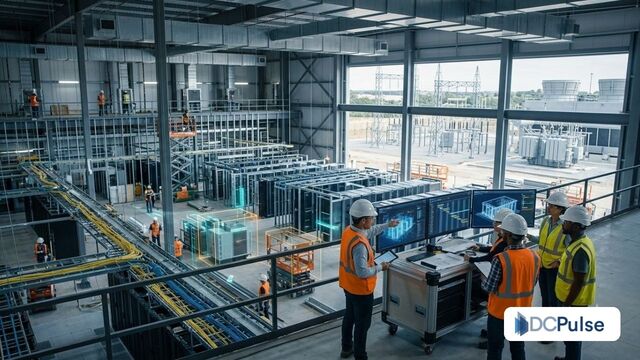
Data center projects involve multiple workstreams that must progress in coordination. Civil construction, electrical infrastructure, mechanical systems, connectivity, and IT equipment deployment each have distinct requirements, yet delays in one area can affect several others.
A building may be structurally complete while critical electrical equipment remains unavailable. Similarly, cooling infrastructure may be installed before the final configuration of high-density computing systems has been confirmed. In both situations, progress in one workstream does not necessarily indicate that the facility is approaching operational readiness.
Project visibility helps developers distinguish between physical construction progress and overall delivery readiness. A consolidated view of schedules, procurement, engineering changes, dependencies, and outstanding approvals allows project teams to understand where progress is occurring and where additional attention is required.
For investors, customers, and operators, this information can also support more realistic expectations about delivery milestones. Rather than relying exclusively on broad construction updates, stakeholders can assess the status of critical dependencies that determine when a facility can begin supporting its intended workloads.
Power Infrastructure Is a Major Visibility Challenge
Power availability remains a central consideration in data center development, particularly for facilities designed to support energy-intensive AI and high-performance computing workloads. Securing a site and beginning construction do not automatically guarantee that sufficient electrical capacity will be available when the facility is ready to operate.
Grid connection agreements, utility upgrades, substations, transformers, and other electrical components can involve separate approval processes, engineering requirements, and delivery schedules. These activities may also depend on organizations outside the direct control of the data center developer.
Greater visibility into power infrastructure milestones can help project teams understand whether electrical capacity will align with planned commissioning dates. Clear tracking of utility dependencies, equipment procurement, testing requirements, and outstanding decisions can reveal potential schedule conflicts before they affect downstream activities.
The same principle applies to backup power systems and on-site energy infrastructure. Generators, switchgear, uninterruptible power supply systems, and associated controls must be integrated and tested as part of a coordinated delivery process.
For developers managing multiple facilities, a consistent approach to reporting these milestones can make it easier to compare project readiness, allocate resources, and communicate constraints. Visibility cannot accelerate a delayed grid connection by itself, but it can improve the quality and timing of decisions made in response.
AI Infrastructure Is Increasing Coordination Requirements

The expansion of AI infrastructure is changing the technical demands placed on data center delivery teams. High-density computing environments can require different power distribution, thermal management, network architecture, and equipment integration arrangements from those used in conventional enterprise facilities.
GPU-based systems and other accelerated computing platforms can introduce dependencies between server availability, rack configurations, electrical capacity, cooling distribution, and network deployment. These requirements need to be reflected in construction and commissioning plans well before the final equipment is installed.
A lack of coordination between infrastructure and IT teams can create avoidable rework. For example, changes to rack density or cooling requirements may affect mechanical design, electrical distribution, and the sequence of installation activities. If such changes are recorded in disconnected systems, different teams may continue working from inconsistent assumptions.
Integrated project information can help maintain alignment between design specifications, procurement schedules, and installation plans. It also gives operators a clearer picture of which infrastructure components are ready to support the intended computing environment.
As AI facilities become more technically demanding, delivery performance will depend increasingly on how effectively developers manage the relationships between buildings, power systems, cooling infrastructure, and computing equipment.
From Disconnected Reports to Integrated Project Intelligence
Many large infrastructure projects generate substantial amounts of information through schedules, spreadsheets, engineering documents, procurement systems, contractor updates, and commissioning records. The challenge is not necessarily a lack of data but the difficulty of establishing a consistent view of project status across these sources.
An integrated delivery environment can bring together information from construction management platforms, building information modelling systems, enterprise resource planning tools, and equipment tracking applications. Depending on the implementation, such an approach can improve coordination without requiring every stakeholder to abandon existing systems.
The value comes from connecting information to shared milestones and clearly defined responsibilities. Project teams need to know which activities are complete, which remain outstanding, who owns the next action, and whether a delay affects other workstreams.
Digital dashboards can support this process by highlighting schedule deviations, unresolved design decisions, procurement risks, and commissioning dependencies. However, dashboards are only as reliable as the information behind them. Outdated records, inconsistent definitions, and unverified progress reports can create a misleading picture of project health.
Effective visibility therefore requires clear data ownership, regular updates, and agreed reporting standards. Technology can make information easier to access, but governance determines whether that information can be trusted.
Supply Chain Transparency and Equipment Readiness
Data center delivery depends on equipment supplied by a broad network of manufacturers, contractors, and specialist service providers. Electrical distribution equipment, cooling systems, generators, transformers, and IT hardware can each have procurement, manufacturing, transportation, installation, and testing requirements.
When project teams lack a consolidated view of these stages, equipment delays may become apparent only after they threaten scheduled installation or commissioning activities.
Supply chain visibility can help developers identify long-lead items, monitor manufacturing progress, confirm delivery dates, and understand the consequences of changes to procurement schedules. Linking equipment status to construction milestones can also help teams determine whether alternative sequencing is possible.
This is particularly relevant when several facilities are being developed simultaneously. Shared suppliers, specialist contractors, and limited installation resources can create competing demands across projects.
A transparent view of procurement commitments and equipment readiness can support more informed decisions about resource allocation and schedule adjustments. It can also improve communication with customers who need to coordinate their own IT deployment with the availability of the underlying facility.
Commissioning Requires More Than Construction Completion
The transition from construction to operational service is one of the stages where project visibility becomes especially important. A completed building does not necessarily have fully tested, integrated, and accepted infrastructure.
Commissioning activities may include electrical testing, cooling system verification, control integration, backup power testing, safety checks, and validation of operational procedures. Depending on the facility and its design, these activities can involve multiple levels of testing and coordination among contractors, equipment suppliers, and operations teams.
A clear commissioning plan helps establish which systems must be available before integrated tests can begin. It also makes dependencies between individual components and complete infrastructure systems easier to identify.
Documented test results, outstanding defects, corrective actions, and formal approvals provide evidence of readiness. Without consistent records, project stakeholders may disagree about whether a system is complete or whether unresolved issues remain.
Better visibility during commissioning can help teams prioritize critical defects, coordinate retesting, and prepare operational staff beforehand. The objective is not simply to achieve a construction milestone but to establish that the facility can perform as intended.
Visibility as a Commercial and Operational Differentiator
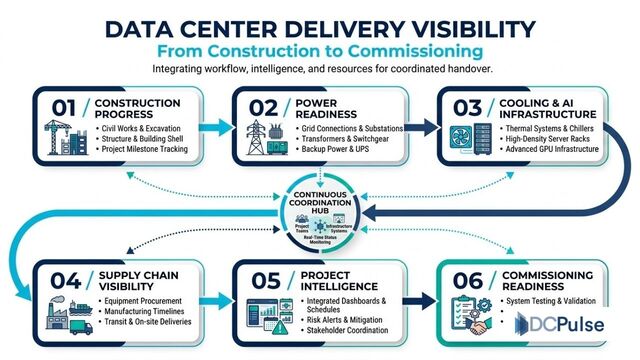
For data center developers and operators, project transparency can influence relationships with investors, customers, utilities, contractors and equipment suppliers. Stakeholders making commitments around capacity, service availability or infrastructure investment need credible information about delivery progress and outstanding risks.
Reliable reporting can support more disciplined planning and reduce uncertainty around project milestones. It can also help customers coordinate migrations, equipment installation and workload deployment with greater confidence.
The commercial value of visibility, however, depends on the quality of execution behind the reporting. A detailed dashboard cannot compensate for inadequate project controls, unrealistic schedules or unresolved engineering problems. Nor does greater transparency guarantee that external constraints will be resolved on time.
The advantage lies in identifying issues earlier, assigning responsibility and making decisions based on a shared understanding of the project. Organizations that establish these practices consistently may be better positioned to manage complex delivery portfolios and respond to changing requirements.
The Outlook for Data Center Delivery
As digital infrastructure expands to support cloud platforms, AI computing and growing data demand, project delivery is likely to involve increasingly interconnected technical and commercial dependencies. Power constraints, cooling requirements, equipment availability and changing computing specifications will continue to make coordination an important management priority.
Data center companies will therefore have reasons to strengthen project controls, standardize reporting and connect information across design, construction, procurement and operations. Digital twins, predictive analytics and AI-assisted project monitoring may contribute to these efforts, provided their outputs are supported by accurate underlying data and appropriate human oversight.
The competitive significance of visibility is ultimately practical. It enables project teams to understand what is happening, what remains uncertain and which decisions need attention. In a sector where infrastructure readiness depends on many interdependent systems, that understanding can help organizations manage risk, coordinate delivery and make more credible commitments to customers.
As the industry pursues larger campuses and more demanding computing environments, visibility is becoming more than a reporting function. It is an increasingly important part of the management capability required to deliver reliable digital infrastructure.