DCPulse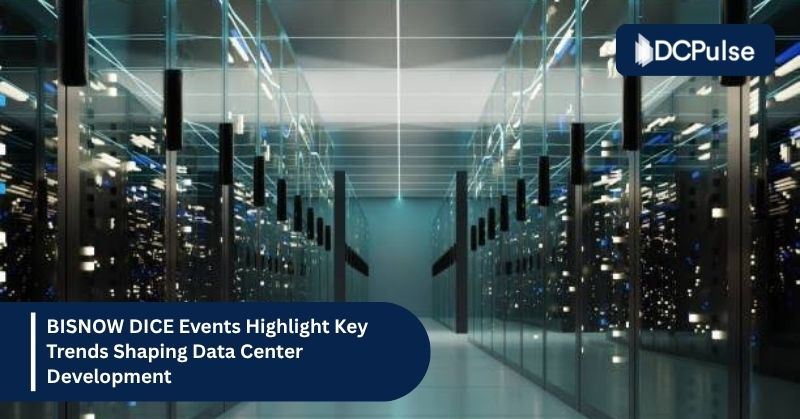
The BISNOW DICE event series is highlighting how data center development is changing as artificial intelligence, cloud computing, and digital infrastructure demand reshape investment priorities, site selection, and facility design. Through its Data Center Investment Conference & Expo (DICE) events and specialized conferences focused on construction, energy, cooling, and operations, Bisnow is bringing together stakeholders across the data center value chain to examine the practical challenges of delivering new capacity.
The evolution of the sector is increasingly defined by the relationship between computing demand and the physical infrastructure required to support it. Developers and operators must evaluate land availability, electricity access, construction schedules, cooling technologies, and capital requirements before new facilities can become operational. The DICE series provides a forum for examining these interconnected issues as the industry moves toward larger campuses and infrastructure designed for increasingly demanding workloads.
BISNOW DICE Expands Its Focus Across Data Center Markets
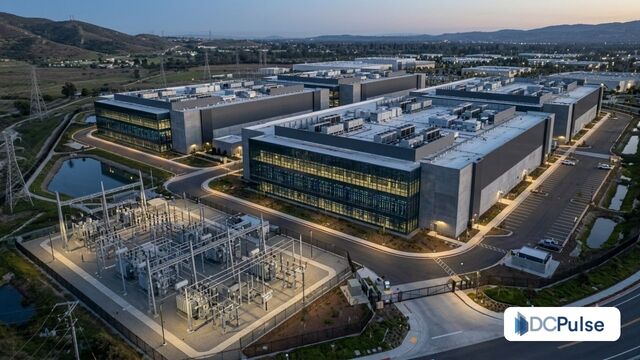
Bisnow's DICE program covers regional and national data center markets through events that connect developers, investors, operators, infrastructure suppliers, and other industry participants. The conference series addresses market-specific investment opportunities alongside the technical and operational requirements associated with new development.
The company's DICE event program includes conferences covering regions such as the Southern United States, the Midwest, the Pacific Northwest, and the Rockies, alongside specialized events focused on construction, design, development, power, and sustainability. This structure reflects the diversity of development conditions across markets, where electricity availability, land constraints, permitting requirements, and connectivity can influence project feasibility.
The regional approach is important because data center expansion does not follow a uniform development model. Established markets have different infrastructure conditions from emerging locations, while local planning policies and utility requirements can determine how quickly a project advances. Industry discussions that account for these differences can help participants evaluate development opportunities with greater attention to local constraints.
The national program also provides a broader view of capital allocation and infrastructure strategy. Bisnow's DICE National 2027 event page identifies investment, campus construction, power strategy, cooling, and workforce development among the subjects planned for discussion.
AI Infrastructure Is Changing Data Center Design
Artificial intelligence is increasing the importance of designing data centers around specific computing requirements rather than treating every facility as a conventional enterprise or cloud deployment. AI workloads can place different demands on rack density, electrical distribution, cooling systems, and network architecture, making early coordination between infrastructure disciplines increasingly important.
The DICE series has incorporated these considerations into its construction and development programming. Bisnow's 2026 East and West construction-focused events addressed subjects including high-density deployments, liquid cooling, site selection, construction execution, and the coordination of project risks. The East conference program provides an example of this emphasis.
For developers, these requirements can affect decisions long before equipment is installed. Electrical infrastructure, cooling capacity, structural design, and space planning must align with the workloads a facility is intended to accommodate. Changes to those requirements during construction can introduce additional engineering work, procurement challenges, and schedule uncertainty.
The implications extend to existing facilities as well. Operators evaluating upgrades may need to determine whether their electrical and cooling systems can accommodate higher-density equipment or whether substantial modifications are required. Industry discussions around adaptable design therefore have relevance for both new campuses and existing data center portfolios.
Power Availability Is Becoming a Development Priority
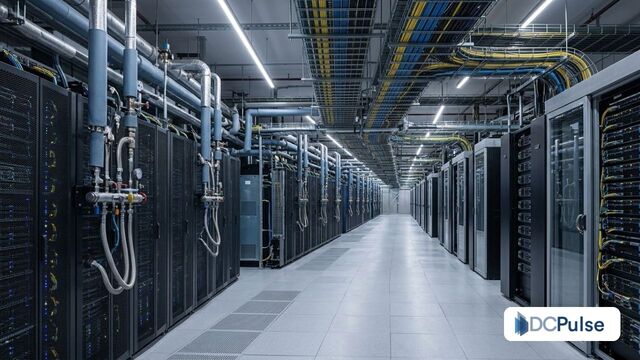
Electricity access is one of the central considerations in data center site selection. A location with suitable land and connectivity may still be difficult to develop if grid capacity, transmission infrastructure, or interconnection schedules do not align with the project's requirements.
Bisnow's DICE power, capacity, energy, and sustainability conference addresses the relationship between rising computing demand, electricity procurement, reliability, and sustainability. Its programming also examines approaches involving renewable energy, battery storage, microgrids, and alternative power sources.
The growing attention to power strategy reflects a broader change in project planning. Developers increasingly need to evaluate electricity arrangements alongside land acquisition, permitting, financing, and construction. The availability of a site alone does not establish that sufficient power can be delivered on the required timeline.
On-site generation and energy storage may form part of some development strategies, depending on local regulations, economics, equipment availability, and reliability requirements. However, these systems introduce their own engineering, permitting, emissions, and operating considerations. Their suitability must be assessed project by project rather than treated as a universal replacement for grid infrastructure.
For utilities and energy suppliers, data center development creates opportunities for closer coordination with customers on capacity planning, generation, and grid upgrades. For operators, the objective remains a reliable power supply that can support critical workloads while meeting financial and environmental requirements.
Construction Execution and Risk Management Gain Importance
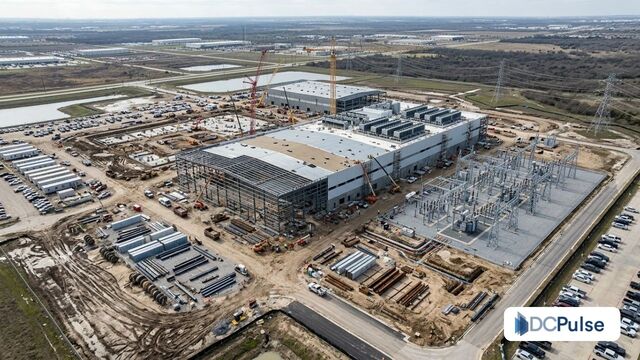
The transition from an announced project to an operational facility involves multiple stages, including land acquisition, planning approvals, utility coordination, engineering, equipment procurement, construction, commissioning, and operational readiness. Delays in any of these areas can affect the wider project schedule.
The DICE construction and development events place attention on the practical requirements of moving projects from initial plans to completed infrastructure. Topics include site selection, project delivery, construction coordination, procurement, and the allocation of risks among developers, contractors, and other participants.
This focus is particularly relevant for large campuses, where multiple buildings and infrastructure systems may be developed in phases. A phased approach can allow capacity to be delivered incrementally, but it also requires coordination of power availability, construction schedules, equipment installation, and commissioning across the development.
Contractors, engineering firms, and equipment suppliers are therefore important participants in the data center ecosystem. Their ability to coordinate delivery schedules and meet technical specifications can influence whether a project achieves its intended operational milestones.
Accurate project reporting is also essential to understanding market supply. Announced capacity, permitted projects, facilities under construction, and operational capacity represent different stages of development. Industry analysis that distinguishes these categories provides a more reliable view of how quickly new infrastructure may become available.
Cooling and Operational Readiness Shape Long-Term Performance
Cooling technology is another area where the evolution of computing workloads is influencing infrastructure decisions. Higher-density deployments can change heat-removal requirements, making thermal design an increasingly important consideration in facility planning.
Liquid cooling, advanced airflow management, and integrated monitoring systems are among the approaches being examined across the industry. The appropriate solution depends on equipment specifications, rack density, climate, water availability, energy efficiency objectives, and operational requirements.
The DICE program's focus on operations and cooling complements its development-oriented discussions by connecting initial design choices with the demands of running a facility over time. Equipment maintainability, redundancy, monitoring, and operational procedures all influence the ability to deliver reliable services after commissioning.
For operators, the long-term performance of a facility depends on more than its initial construction. Maintenance requirements, energy consumption, equipment replacement, and the ability to accommodate changing workloads can influence operating costs throughout the asset's life cycle.
Investment Decisions Depend on Infrastructure Readiness
Capital availability remains important to data center expansion, but financing alone does not ensure that a project can proceed. Investors must consider development timelines, customer demand, construction costs, power arrangements, permitting risks, and the ability to deliver capacity when required.
The DICE series brings investment discussions together with technical and operational considerations. This approach reflects the relationship between real estate, energy infrastructure, and computing capacity in contemporary data center development.
Developers must assess whether proposed projects can secure the resources needed for delivery, while investors need to distinguish long-term opportunities from projects facing material execution risks. Operators and customers, meanwhile, require clarity about when capacity will be available and whether it will meet their technical requirements.
Regional conferences can provide a setting for comparing these issues across markets, although the commercial viability of individual projects ultimately depends on their specific circumstances.
The Outlook for Data Center Development
The BISNOW DICE event series highlights an industry in which site selection, power availability, AI-ready design, construction delivery and investment strategy are increasingly interconnected. These issues will remain important as cloud services, AI applications and other digital workloads influence infrastructure planning.
The next phase of development will require coordination among data center operators, developers, utilities, equipment suppliers, contractors and investors. Decisions made during site selection and early engineering can affect construction schedules, operational flexibility, energy performance and the long-term value of facilities.
For the wider digital infrastructure sector, the significance of the DICE program lies in its focus on the practical decisions required to turn demand for computing into functioning infrastructure. The industry's ability to deliver reliable, appropriately designed and economically viable capacity will depend on how effectively these technical, financial and regional challenges are addressed.