DCPulse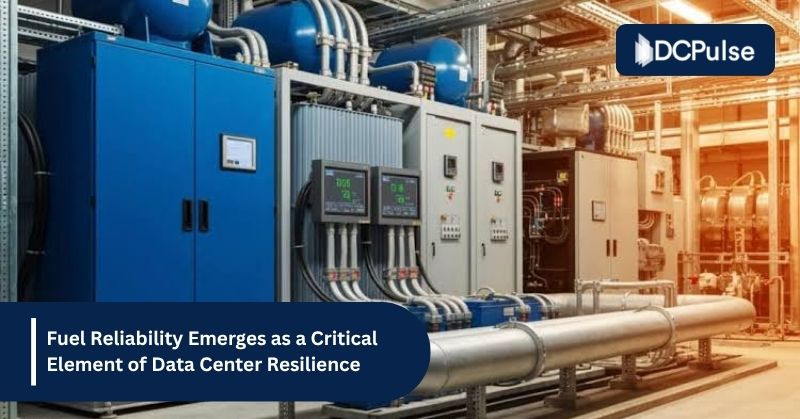
Fuel reliability is an essential component of operational resilience at mission-critical facilities, particularly data centers that depend on backup generators to maintain services during interruptions to the utility power supply. As digital infrastructure supports cloud computing, artificial intelligence, financial services, telecommunications, and enterprise applications, the ability to sustain power during an outage remains a central consideration in facility design and operations.
Backup generation is only as dependable as the systems supporting it. Generator engines, electrical controls, transfer equipment, fuel storage tanks, pumps, filters, and distribution lines must function together when normal power becomes unavailable. Fuel that has degraded during storage, contamination within tanks, or failures in the delivery system can compromise this chain even when the generator itself appears to be in good condition.
For data center operators, preventing fuel failures requires a structured approach that combines fuel-quality management, equipment inspections, testing, inventory planning, and emergency preparedness. The objective is not simply to maintain an adequate quantity of fuel but to ensure that the complete backup power system remains capable of supporting critical loads when required.
Why Fuel Reliability Matters for Mission-Critical Facilities
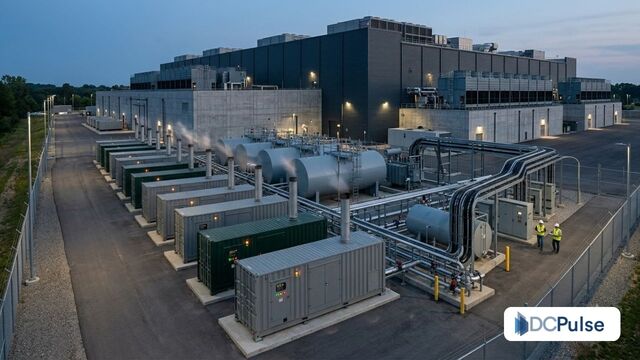
Data centers are designed to support continuous digital services, making power interruptions an important operational risk. Utility outages can result from severe weather, equipment faults, grid disturbances, infrastructure maintenance, or other unexpected events. Backup generators provide an alternative source of electricity when the normal supply fails, subject to the facility's electrical design and operating procedures.
The effectiveness of this protection depends on more than installed generator capacity. A facility may have multiple generator units and redundant electrical pathways, yet still face a vulnerability if a shared fuel tank, transfer pump, control system, or distribution line fails.
Fuel-related risks can also remain unnoticed during routine operations. Stored diesel may appear usable while water, sediment, microbial contamination, or chemical degradation affects its quality. Internal tank corrosion and deterioration of associated components can introduce additional maintenance and reliability concerns.
The U.S. Environmental Protection Agency (EPA) has documented corrosion affecting internal components in underground storage tanks containing diesel. Its research highlights how deterioration can affect the operation of tank-system components and increase the risk of system failure. The findings reinforce the importance of assessing fuel storage infrastructure rather than focusing exclusively on generator engines.
Fuel Degradation and Contamination Require Active Management
Diesel stored for emergency use presents different management challenges from fuel that moves through regular consumption cycles. Storage conditions, temperature changes, water accumulation, contamination during delivery, and the characteristics of the fuel can influence its condition over time.
Water is a particular concern because it can accumulate at the bottom of storage tanks. In combination with other conditions, water can contribute to microbial activity and corrosion. Contaminants and sediment may also obstruct filters or interfere with fuel delivery, potentially affecting engine operation when a generator is called upon to start and carry a load.
Fuel quality cannot therefore be assessed solely by checking tank levels or examining the exterior of storage equipment. Appropriate sampling and laboratory testing can help operators determine whether stored fuel meets relevant specifications and whether corrective maintenance is necessary.
The EPA's guidance on corrosion in underground diesel storage tanks identifies monitoring, maintenance, and early investigation as important measures for managing storage-system risks. Although the agency's findings concern underground tanks, the broader operational lesson is relevant to facilities that rely on stored fuel: the condition of the fuel and the integrity of the storage system both require attention.
Preventive Maintenance Extends Beyond Generator Testing

Generator exercise tests are important for checking equipment operation, but they do not necessarily demonstrate that every part of the fuel system is ready for an extended emergency. A comprehensive maintenance program should consider the entire path between fuel storage and the generator engine.
Storage tanks, transfer pumps, valves, filters, piping, sensors, and associated controls require inspections appropriate to the equipment design and applicable requirements. Potential concerns include leaks, corrosion, water accumulation, blocked filters, faulty level indicators, and problems with automatic fuel transfer.
Fuel sampling and testing should follow applicable standards, manufacturer guidance, fuel characteristics, and the facility's operating requirements. Results should be documented so that operators can identify deterioration over time, recognize recurring contamination, and determine whether treatment, filtration, cleaning, or replacement is appropriate.
The NFPA 110 standard for emergency and standby power systems addresses the readiness of emergency power sources and associated equipment. Facilities should establish their inspection and testing programs against the edition adopted by the relevant authority, together with local regulations and equipment-specific requirements.
A documented maintenance schedule can help coordinate generator servicing with fuel-system inspections. Clear ownership is equally important, particularly where fuel suppliers, specialist contractors, facility engineers, and operations teams share responsibility for different components.
Fuel Inventory and Delivery Planning Support Continuity
Fuel availability becomes especially important when an outage lasts longer than expected or affects a wider region. Severe weather and other disruptions can restrict road access, delay deliveries, or increase demand for emergency supplies. A facility's resilience planning should therefore account for both its stored inventory and the practical conditions under which replenishment may be needed.
Operators need a clear understanding of fuel consumption under relevant operating conditions, usable tank capacity, generator loading, and the assumptions behind their planned runtime. Calculations should reflect the facility's actual configuration rather than relying on a generic estimate. The presence of fuel in a tank does not automatically mean that all of it is usable or that it can be delivered to every generator.
Supplier arrangements and contingency plans can support continuity, particularly when normal delivery routes are disrupted. These plans may address alternative suppliers, access to the site, delivery priorities, fuel compatibility, and procedures for receiving and verifying replenishment during an emergency.
Fuel deliveries also introduce operational considerations. Appropriate checks can help identify discrepancies in delivered quantities or concerns about fuel condition before new supplies enter the storage system. Recordkeeping supports traceability and helps operators investigate changes in fuel quality or inventory.
Monitoring and Documentation Improve Operational Visibility
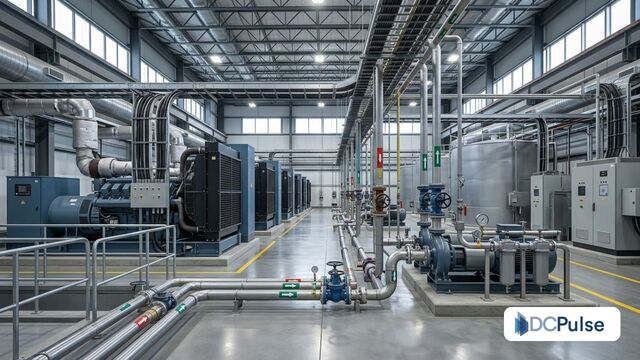
Modern facility operations increasingly rely on monitoring systems to provide visibility into infrastructure conditions. Fuel systems can benefit from this approach through appropriate tank-level monitoring, leak detection, pump-status indicators, alarm management, and integration with facility monitoring platforms where supported.
These systems can help operators identify low inventory, unexpected changes in tank levels, equipment faults, and other conditions that require investigation. However, instrumentation has limitations. A tank-level reading cannot establish that fuel is free from contamination, and a normal pump-status signal does not necessarily prove that fuel will reach the engine at the required flow and pressure.
A reliable operating model combines monitoring with physical inspections, testing, maintenance records, and functional verification. Alarm thresholds and escalation procedures should be defined so that an abnormal condition reaches personnel capable of responding before it affects emergency readiness.
Consistent documentation also supports audits, maintenance planning, and communication between operational teams. Records covering fuel purchases, sampling, test results, tank inspections, repairs, generator exercises, and corrective actions can provide a clearer picture of system condition and outstanding risks.
Fuel-System Design Must Reflect Facility Risk
The consequences of a fuel failure depend on a facility's power architecture, redundancy arrangements, critical loads, and operational requirements. A design review should consider potential common points of failure, including shared storage, distribution infrastructure, pumps, controls, and dependencies that may affect multiple generator units.
Redundancy in generator capacity does not automatically eliminate these shared risks. Independent or segregated fuel arrangements may be appropriate in some designs, but the suitability of each measure depends on the facility's requirements, engineering constraints, applicable codes, and operational strategy.
Fuel storage also requires careful attention to environmental protection, fire safety, spill prevention, leak detection, and regulatory compliance. Underground and aboveground storage systems may be subject to different requirements depending on location and configuration. For example, the EPA explains that certain storage systems supplying emergency generators fall within the scope of federal underground storage tank regulations. Operators must determine which requirements apply to their specific installations.
As facilities accommodate increasingly demanding computing workloads, fuel-system planning should remain connected to broader resilience assessments. Power capacity, backup duration, maintenance access, supplier reliability, and recovery procedures all influence how effectively a data center can respond to an extended interruption.
Operational Resilience Depends on Sustained Readiness
Fuel failures are not always caused by a single major equipment breakdown. Deteriorating fuel quality, neglected water removal, damaged components, inaccurate inventory records, and insufficient testing can combine to weaken a backup power system over time.
For data center operators, the strongest approach is a coordinated program that treats stored fuel as a critical operational asset. Routine testing, preventive maintenance, monitoring, inventory management, supplier coordination, and documented emergency procedures can help expose weaknesses before an outage places the system under pressure.
The broader digital infrastructure industry must continue to evaluate backup power as an integrated system rather than a collection of individual components. Generator availability, fuel quality, storage integrity, distribution performance, and delivery planning are closely connected elements of operational resilience.
As organizations depend on data centers for cloud services, AI workloads, communications, and other critical applications, the reliability of supporting infrastructure remains central to service continuity. Effective fuel management cannot eliminate every risk, but it can help ensure that backup power systems are better prepared to perform when normal electricity supplies are interrupted.