DCPulse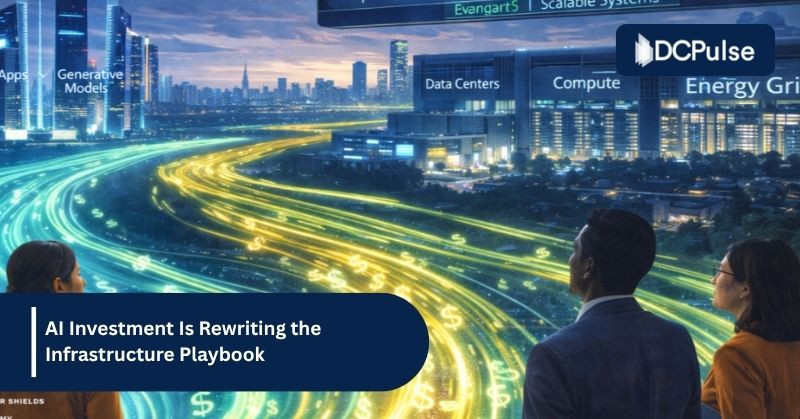
Artificial intelligence is changing more than the amount of capital flowing into technology. It is also changing how companies evaluate logistics, site selection, power procurement, equipment sourcing, construction schedules, and the wider infrastructure needed to operate data centers.
The shift is significant because AI infrastructure depends on a long chain of physical assets. Chips and servers need data centers; data centers need electricity, cooling, connectivity, land, construction capacity, and specialized equipment. Recent analysis from BNP Paribas describes AI infrastructure investment as spanning multiple interconnected parts of the value chain, including chips and servers, power grids, cooling, networking, and data center construction. For data center developers, that means logistics is increasingly becoming part of infrastructure strategy rather than a downstream construction function.
Power Is Moving to the Center of Site Selection
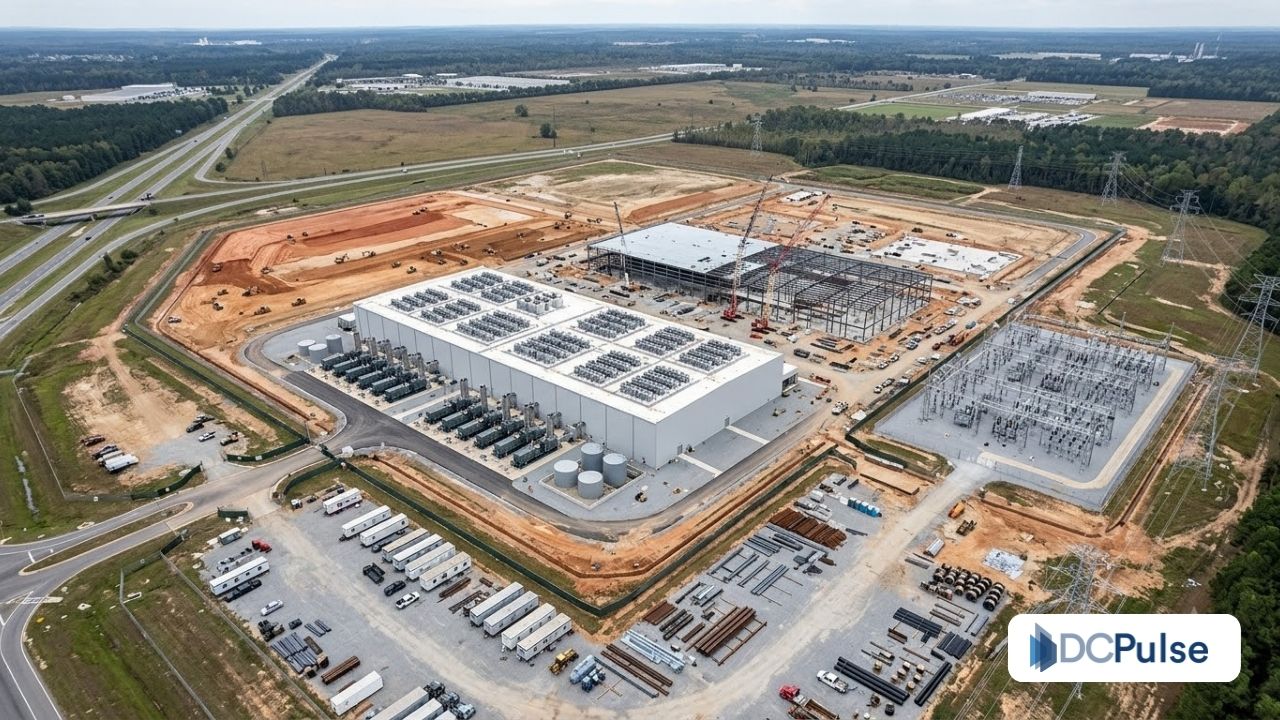
Power availability is becoming one of the most important considerations when developers evaluate new data center locations. A site can offer suitable land and strong fiber connectivity, yet still face delays if sufficient grid capacity or interconnection infrastructure is unavailable.
The World Economic Forum has highlighted grid connectivity as a potential constraint on AI expansion, noting that investment in AI data centers is moving faster than some power-grid development.
That dynamic is changing the sequencing of development decisions. Developers increasingly need to examine transmission capacity, substations, generation availability, interconnection timelines, and utility investment alongside real estate considerations.
The implications extend beyond individual projects. Regions with established power infrastructure and clearer pathways for connecting large loads can become more attractive locations for AI-oriented data center development.
Infrastructure Investment Is Expanding Beyond the Data Center
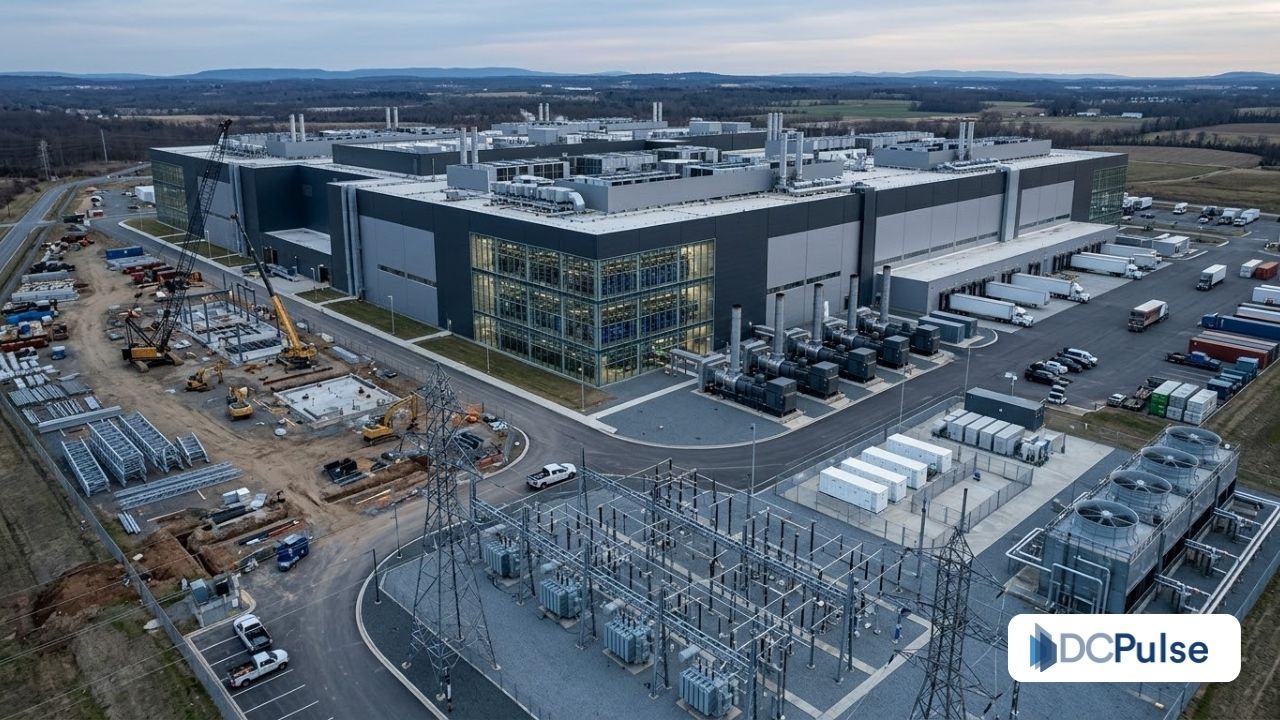
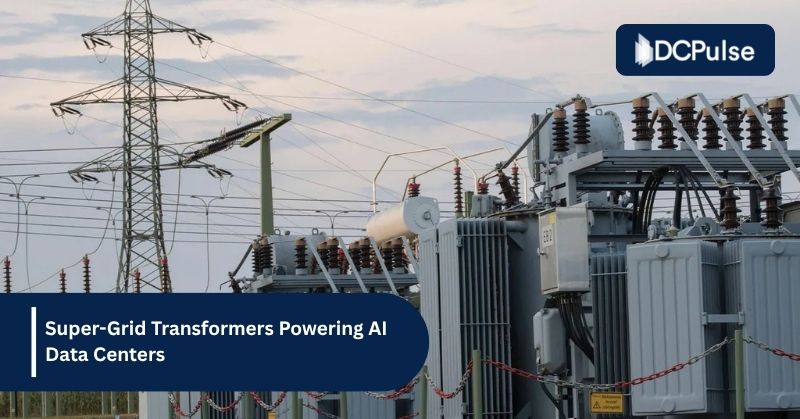
AI investment is also broadening the definition of what constitutes data center infrastructure. The physical requirements now extend from electricity generation and transmission to transformers, switchgear, cooling systems, fiber networks, construction materials, and specialized engineering services.
PwC expects global investment in AI infrastructure to reach $31.6 trillion through 2050 under its baseline scenario. Its analysis also identifies power as a decisive factor in determining where AI infrastructure investment flows.
The investment implications therefore reach companies that may never operate a data center themselves. Grid developers, equipment manufacturers, network providers, construction firms, cooling specialists, and energy suppliers can all become part of the infrastructure chain supporting AI deployment.
For data center operators, this broader ecosystem creates both additional sourcing opportunities and additional dependencies.
Logistics Is Becoming a Capacity Question
Traditional construction logistics focuses heavily on moving materials to a site at the right time. AI data center development adds another layer because some infrastructure components can have long procurement and manufacturing cycles.
High-voltage equipment is one example. Specialized electrical components may need to be ordered well before a facility reaches the stage where they are installed. Similar considerations apply to cooling equipment, power distribution systems, generators, transformers, and other critical infrastructure.
The International Energy Agency has identified a broader scramble for electricity, grid connections, manufacturing capacity, chips, and capital as AI development accelerates. It also notes that planning and regulatory systems are being stretched by the number of data center project applications.
A construction schedule can therefore become dependent on factors outside the physical building site.
Supply Chains Are Influencing Project Strategy
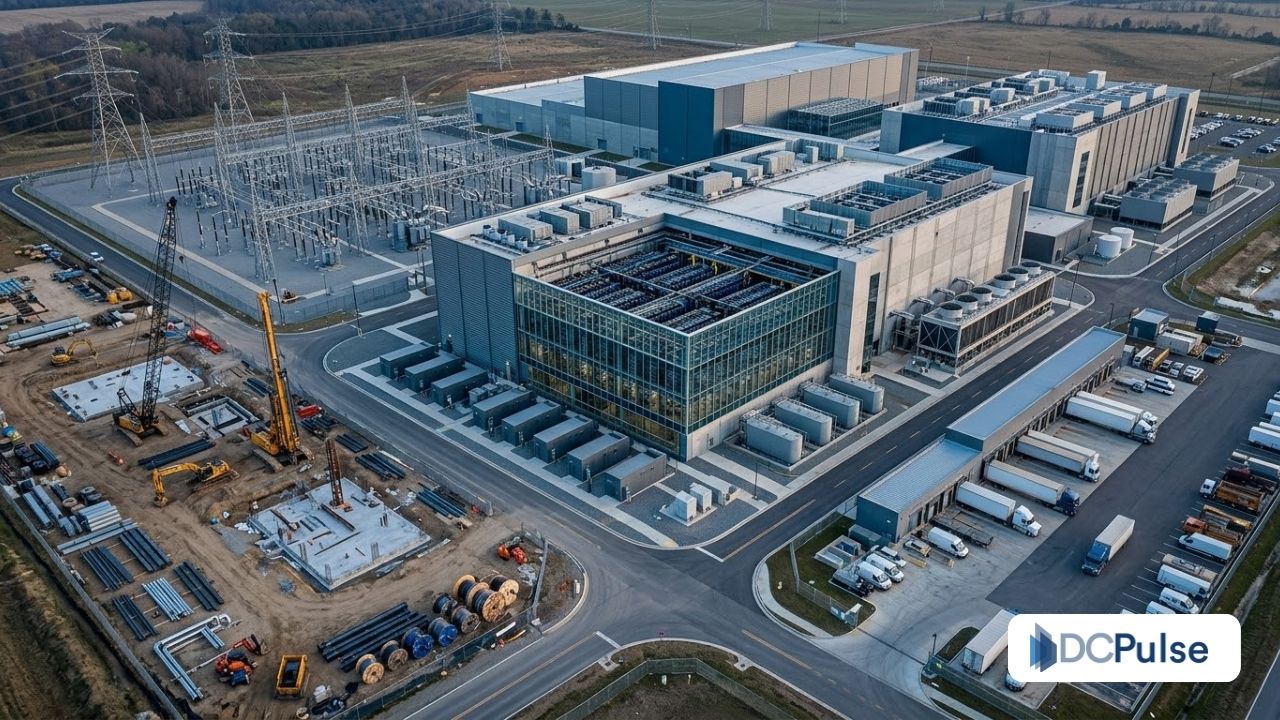
AI data center developers are increasingly exposed to supply-chain conditions across several industries. Semiconductor availability remains important, but physical infrastructure introduces another set of dependencies.
State Street's analysis of the AI value chain points to constraints across electricity grids, critical materials, data centers, and advanced manufacturing. Specialized materials, equipment, and labor can become particularly important at the leading edge of infrastructure expansion.
This environment encourages developers to examine supply chains earlier in the project lifecycle. Procurement strategies can influence when construction begins, how projects are phased, and whether alternative equipment or suppliers need to be considered.
The strategy is less about maintaining a large inventory of every component and more about understanding which items could determine the critical path.
Distributed Infrastructure Could Gain Importance
AI workloads are also influencing where computing infrastructure is deployed. Large centralized campuses remain important for training and other compute-intensive workloads, but inference, real-time applications, and geographically distributed services can create requirements for computing closer to users or operational sites.
McKinsey identifies data centers, fiber connectivity, intelligent networks, power, real estate, and accelerated computing as interconnected elements of the physical and digital infrastructure needed to scale AI.
That connection creates a more complicated logistics model. A distributed infrastructure strategy may require multiple facilities, diverse network routes, regional power arrangements, and localized operational capabilities.
For network operators and cloud providers, the result is a closer relationship between physical location and application performance.
Construction Strategy Is Becoming More Flexible
AI investment is also changing how developers think about construction capacity. The pace of AI infrastructure deployment can create situations in which demand develops faster than conventional construction processes can accommodate.
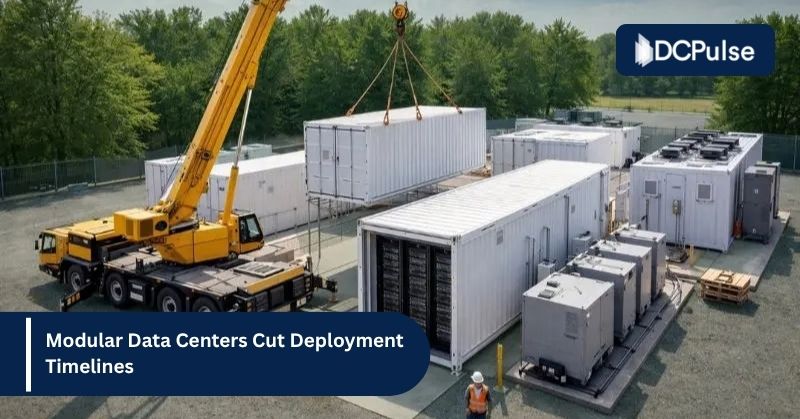
Modular construction, prefabricated systems, standardized facility designs, and phased buildouts can provide ways to manage this challenge. These approaches do not remove requirements for power, land, permitting, or skilled labor, but they can change how construction activities are organized and sequenced.
The underlying objective is greater flexibility. A developer may want to bring an initial capacity block online while retaining the ability to expand the campus as demand and available power develop.
That approach can also reduce the need to make every long-term infrastructure decision at the beginning of a project.
Cooling and Networking Are Part of the Same Equation
Power is not the only infrastructure consideration being reshaped by AI. Higher-density computing changes cooling requirements, while large GPU clusters place additional demands on high-speed networking.
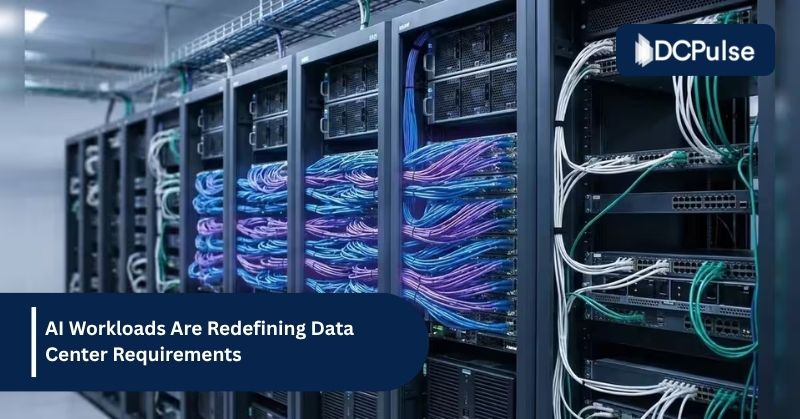
Cooling infrastructure must increasingly be considered alongside electrical design and equipment procurement. Liquid-cooling systems, heat rejection equipment, distribution systems, and facility plumbing can become important elements of the construction schedule where high-density computing is planned.
Networking creates another dependency. AI clusters rely on high-bandwidth connections between computing resources, while data centers also require external connectivity to cloud platforms, users, enterprises, and other facilities.
The result is an infrastructure strategy in which energy, cooling, networking, and compute cannot be planned independently.
The Workforce Is Another Infrastructure Constraint
Physical expansion also requires specialized expertise. AI-ready data centers involve electrical engineering, mechanical systems, networking, construction, commissioning, operations, and security.
Recent reporting on the data center industry has highlighted increasing demand for specialists across power systems, cooling, networking, storage, compute, and facility operations as AI increases infrastructure complexity.
For developers, workforce availability can therefore influence project location and execution just as equipment availability does.
Regional ecosystems with experienced contractors, engineers, commissioning specialists, and operations teams may offer practical advantages when multiple projects compete for the same resources.
Logistics Strategy Is Becoming Infrastructure Strategy
AI investment is creating a closer connection between capital deployment and physical infrastructure readiness. The success of a data center project increasingly depends on whether power, equipment, construction resources, network connectivity, cooling systems, and skilled personnel can arrive within a coordinated development schedule.
That reality is changing the role of logistics. Procurement timelines, supplier diversity, transportation planning, equipment availability, and regional infrastructure conditions are becoming strategic considerations rather than operational details.
For the global data center industry, the next phase of AI expansion will therefore be shaped not only by demand for computing capacity but by the ability to coordinate the physical systems required to deliver it.
The competitive question is increasingly moving from where AI demand exists to where the infrastructure ecosystem can support AI deployment at the required speed, scale, and reliability.