DCPulse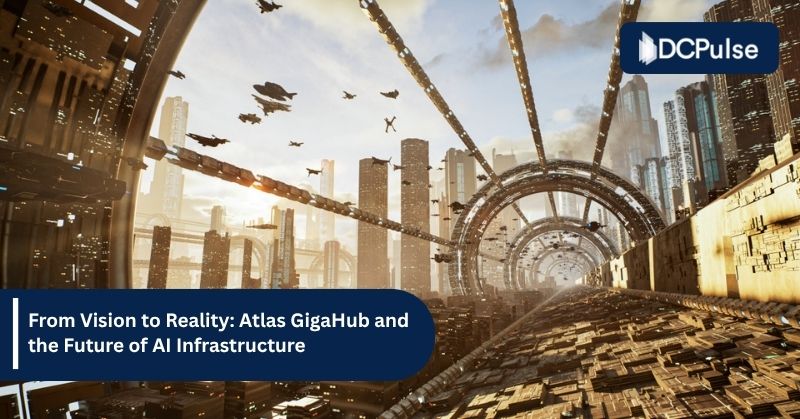
The development of Atlas GigaHub in Argentina reflects a broader shift in how large-scale AI infrastructure is being conceived. Rather than treating the data center as a standalone facility connected to an existing power network, the project is being presented as an integrated platform combining computing capacity, renewable generation, energy storage, cooling, and supporting digital infrastructure.
Green Capital, the company behind Atlas GigaHub, has described the project as a hyperscale AI campus in Patagonia’s Chubut province. Public project materials outline a long-term target of up to 3 GW of IT capacity, supported by a dedicated renewable-energy system. The company has also positioned the development within a wider portfolio of energy and digital infrastructure projects. These figures describe planned capacity, not operational infrastructure, and the project remains subject to development, permitting, financing, and construction milestones.
A New Model for Hyperscale AI Development
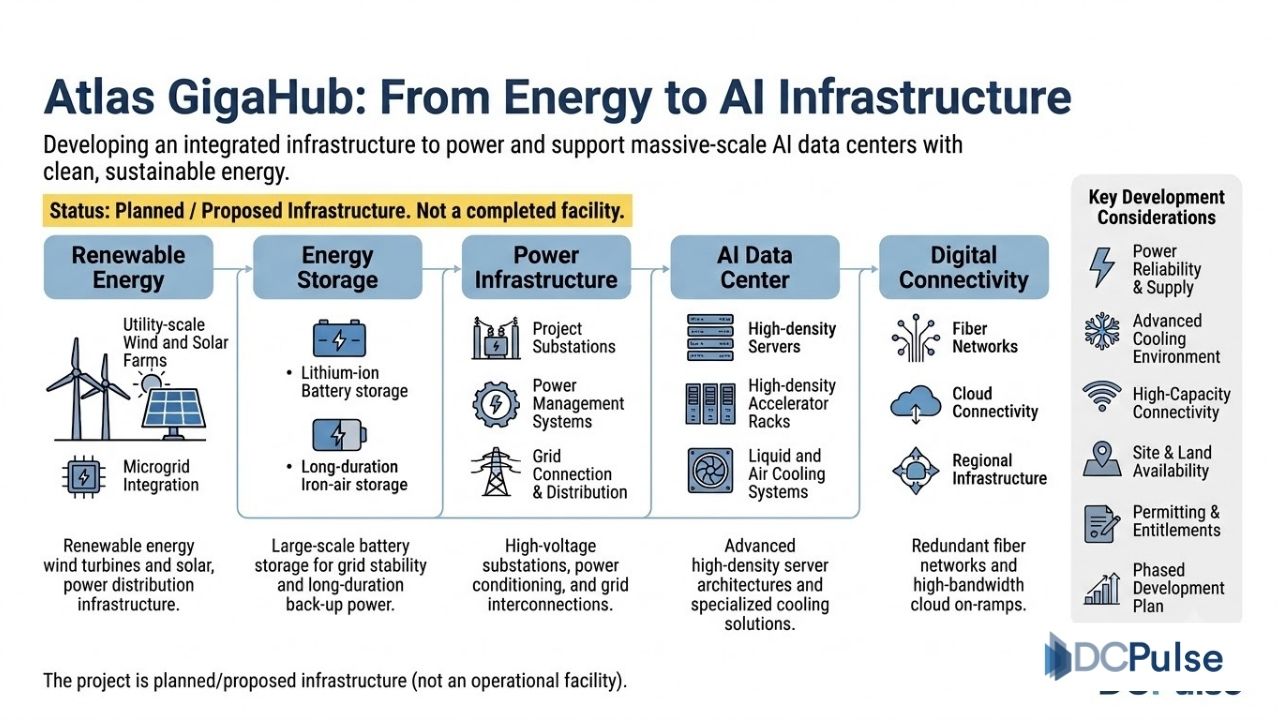
AI data centers are placing new demands on the relationship between digital infrastructure and electricity supply. Training and inference workloads rely on dense computing systems, high-speed networking, and increasingly sophisticated cooling arrangements. As a result, access to power is becoming a primary factor in determining where large campuses can be developed.
Atlas GigaHub is being advanced around what Green Capital describes as a “power-to-data” model. Under this approach, the availability of energy resources is treated as the starting point for the infrastructure strategy. Computing halls, electrical systems, storage assets, cooling equipment, and network connectivity are then planned around that foundation.
The model differs from the traditional approach in which a data center is developed within an established technology market and later seeks additional grid capacity. Established hubs offer advantages such as carrier density, cloud connectivity, skilled labor, and mature supply chains. However, they can also face land constraints, grid congestion, lengthy interconnection processes, and competition for available electricity.
A power-led development model does not remove those challenges. Instead, it changes the order in which they are addressed. The central question becomes whether a location can support the required combination of reliable energy, industrial land, communications infrastructure, and long-term operating capacity.
Patagonia’s Role in the Project
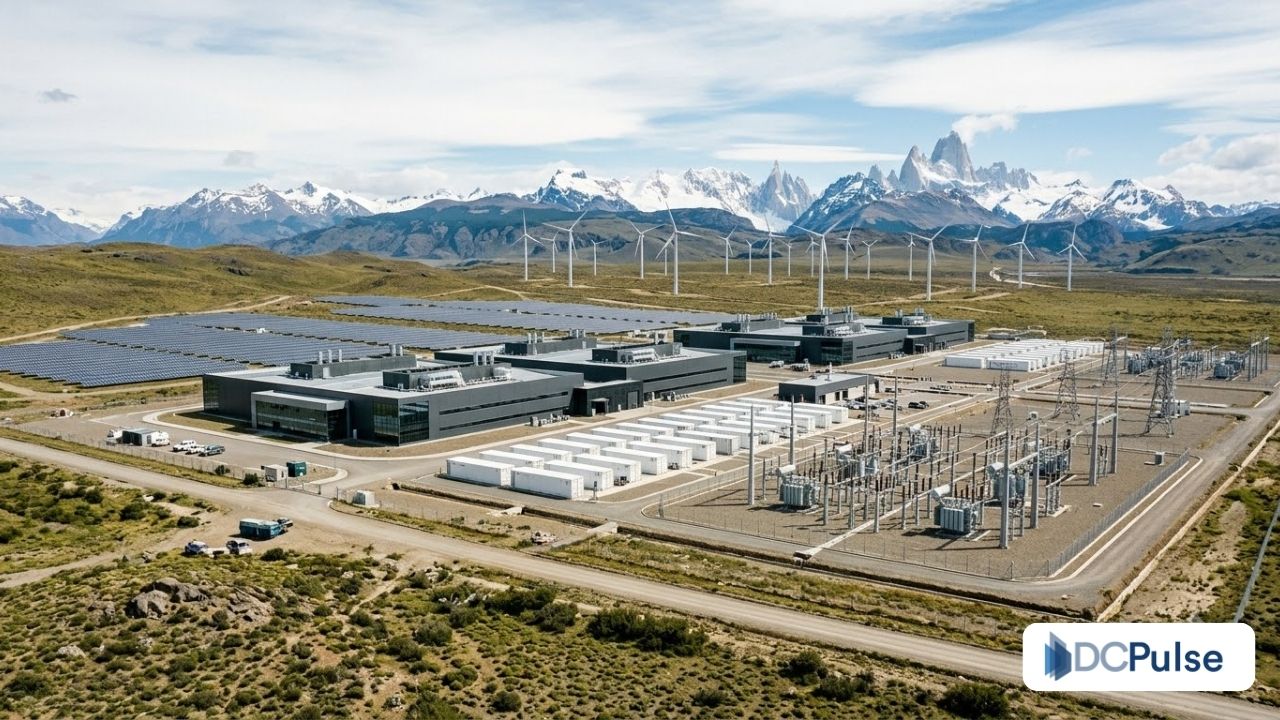
Atlas GigaHub is planned for Argentina’s Patagonia region, where Green Capital has highlighted renewable-energy potential, available land, and the possibility of developing a large integrated campus. The company’s materials identify wind and solar generation as central components of the proposed energy system. A September 2026 report from ISBtech also described plans involving renewable generation, battery storage, and other forms of firming capacity.
For data center operators, the location presents both opportunities and practical considerations. Renewable resources can support long-term power procurement strategies and may reduce exposure to some conventional energy-market risks. Large land parcels can also allow phased development, dedicated substations, on-site generation, and expansion corridors to be planned together.
Distance from major digital markets remains an important factor. A large AI campus requires more than electricity. It also needs resilient fiber routes, international connectivity, cloud and content interconnection, equipment logistics, and access to technical services. The economic value of a remote site therefore depends partly on whether network infrastructure can be developed at a pace compatible with the computing campus.
The project’s location also makes permitting, environmental assessment, transport infrastructure, and regional workforce development important parts of the delivery plan. Green Capital has reported that environmental procedures have begun and that the development involves cooperation with public institutions and international partners.
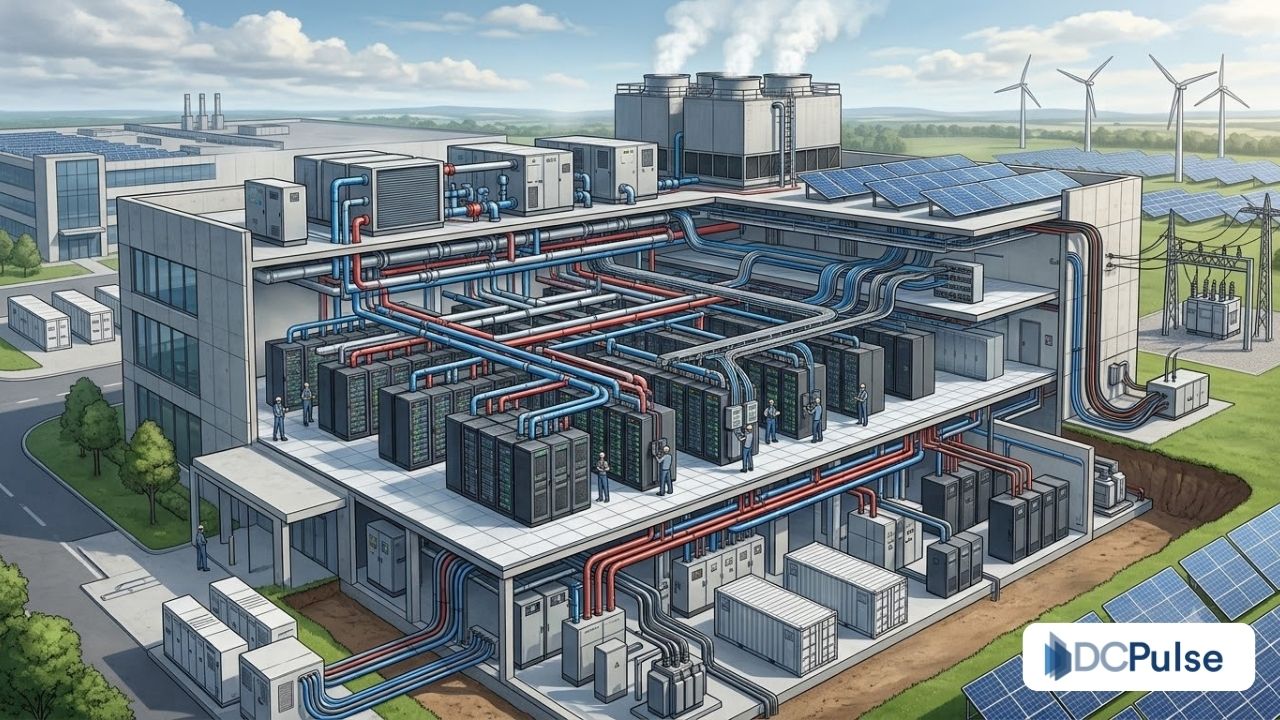
The proposed Atlas GigaHub model places energy storage alongside generation and computing rather than treating storage as a secondary grid-support asset. That distinction is significant for AI infrastructure, where power quality and continuity are essential to high-density workloads.
Green Capital has identified different storage technologies for different operating needs. The project concept described by ISBtech includes lithium-ion batteries for rapid balancing and daily cycling, alongside iron-air storage for longer-duration energy availability. These technologies remain part of the reported development concept; their final deployment, sizing, and operating configuration would depend on engineering and commercial decisions.
For data centers, storage can serve several functions. Short-duration batteries may help manage fluctuations, support power-quality requirements, and reduce the impact of sudden changes in renewable output. Longer-duration systems may provide additional resilience during extended periods of low wind or solar generation.
Storage can also influence the design of electrical infrastructure. A campus with generation and storage on site may require different controls, protection systems, switching arrangements, and energy-management software than a facility relying primarily on a utility connection.
Even so, storage is not a substitute for complete reliability planning. AI operators must still consider backup generation, redundancy, maintenance procedures, fuel logistics where applicable, and the operational requirements of the IT load.
Cooling and High-Density Compute
The proposed scale of Atlas GigaHub makes cooling strategy a central design issue. AI infrastructure often involves high-density accelerator systems that generate more heat per rack than many conventional enterprise workloads. The resulting thermal profile affects mechanical systems, water use, electrical demand, rack layouts, and facility design.
Green Capital’s reported integrated model includes cooling among the systems planned alongside power generation, storage, and compute infrastructure. However, publicly available project information does not establish a final cooling architecture, water strategy, rack density, or detailed efficiency performance for the planned campus.
Patagonia’s climate may create opportunities for certain forms of heat rejection and free-cooling operation, depending on the exact site conditions and equipment selected. Those benefits would need to be assessed against seasonal temperatures, humidity, dust, water availability, equipment requirements, and the thermal demands of the intended AI systems.
The cooling design will also influence the campus’s power balance. Mechanical cooling consumes electricity, while liquid-cooling systems can change the relationship between rack design, heat distribution, and facility water or fluid infrastructure. At the gigawatt scale, even small efficiency differences can have major implications for the overall energy system.
Partnerships and the Delivery Challenge
Atlas GigaHub has moved beyond an initial concept through strategic partnership activity involving technology and energy companies. Green Capital has publicly identified Schneider Electric, Wärtsilä, Envision Energy, and Ore Energy among the organizations connected with the project’s development discussions or partnership announcements.
The reported areas of cooperation cover electrical infrastructure, energy generation, storage, and data center systems. Such coordination is important because the project’s components are interdependent. Generation capacity affects storage requirements. Storage affects power availability. Power architecture affects cooling and compute deployment. Network design affects the commercial value of the resulting campus.
However, partnership announcements do not by themselves confirm construction completion, equipment delivery, customer commitments, or operational readiness. The next milestones will likely involve detailed engineering, environmental and regulatory approvals, land and infrastructure preparation, financing, procurement, and the sequencing of initial capacity.
For the wider data center industry, the project illustrates the complexity of delivering AI infrastructure at a scale where energy, land, compute, and connectivity must advance together.
What Atlas GigaHub Could Mean for Digital Infrastructure
The significance of Atlas GigaHub lies less in its announced capacity target than in the development model it represents. The project links AI computing directly with renewable generation and storage, reflecting a market in which electricity availability increasingly shapes data center strategy.
If delivered as planned, a campus of this type could create demand for new transmission and distribution assets, fiber routes, subsea or terrestrial connectivity, equipment logistics, engineering services, and regional technical skills. It could also encourage closer cooperation between energy developers, data center operators, technology suppliers, governments, and infrastructure investors.
The project’s progress will need to be assessed through measurable milestones rather than vision alone. Key indicators will include confirmed power and land arrangements, completed permitting, financing, construction activity, equipment procurement, network commitments, and the commissioning of initial data halls.
Atlas GigaHub therefore serves as a useful case study in the next phase of AI infrastructure development. Its proposed architecture reflects a clear industry direction: future hyperscale campuses may increasingly be designed around energy resources from the beginning, with digital infrastructure built as part of a broader power-and-compute system rather than added after the fact.