DCPulse
A new data center on the Hoopa Valley Reservation in Northern California is becoming part of a broader effort to build tribally owned digital infrastructure and expand high-speed broadband access across the region.
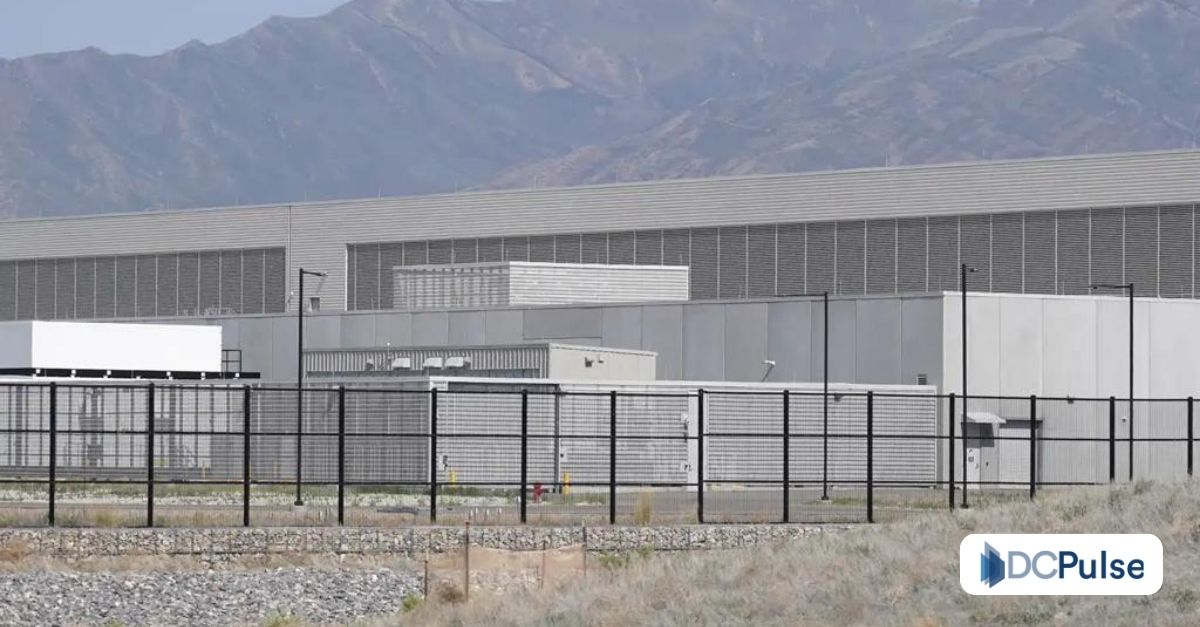
The Hoopa Valley Public Utilities District (HVPUD) opened its NTIA Data Center on July 17 as an operational facility for the Hoopa Valley Tribe’s broadband network. The site is intended to house the technology required to monitor, manage, and deliver connectivity to homes and businesses across the reservation and nearby communities.
The development highlights a growing role for smaller, network-focused data centers in broadband infrastructure. Rather than serving as a conventional hyperscale or colocation campus, the facility is positioned as a critical network operations point connecting local fiber infrastructure with end users.
A Data Center Built Around Broadband Infrastructure
The Hoopa Valley project is closely tied to the Tribe’s wider broadband deployment plans. Federal funding awarded through the Tribal Broadband Connectivity Program supports the construction of a tribal data center and network infrastructure alongside fiber and wireless connectivity.
The original project proposal called for fiber-to-the-home connectivity, wireless backhaul, network equipment upgrades, and a dedicated data center or network operations facility. The planned infrastructure was designed to support connectivity for unserved households, tribal businesses, and community anchor institutions.
That relationship between the data center and network infrastructure is significant. A broadband network requires more than physical fiber routes. Optical, routing, switching, monitoring, security, and management systems must also operate from locations capable of maintaining reliable network services.
The Hoopa Valley facility therefore represents a network-edge infrastructure model in which computing and telecommunications equipment are located closer to the communities and infrastructure they serve.
Fiber Connectivity Drives the Facility’s Role
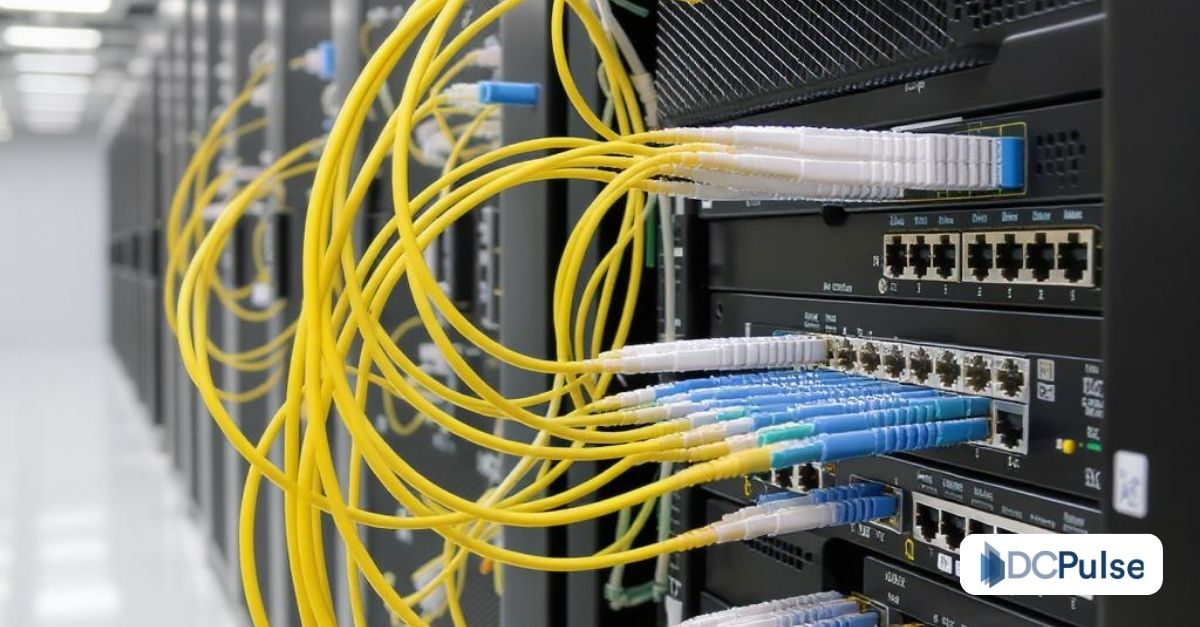
Fiber is central to the broader digital infrastructure strategy. The Hoopa Valley Tribe’s federal broadband project includes fiber and wireless components intended to extend connectivity across the reservation, with the data center providing a location for the network equipment supporting those services.
The operational importance of such a facility increases as fiber networks expand. More connected locations create additional requirements for network monitoring, traffic management, equipment maintenance, and redundancy.
California’s broader middle-mile program is also expanding fiber infrastructure across areas that include tribal lands. The state says its Middle-Mile Broadband Network is placing fiber routes into installation and connecting network infrastructure back to data centers, while telecommunications huts are used to support the network along longer routes.
For rural and geographically dispersed communities, these supporting facilities can become important components of the overall digital infrastructure chain.
Tribal Ownership Changes the Infrastructure Model
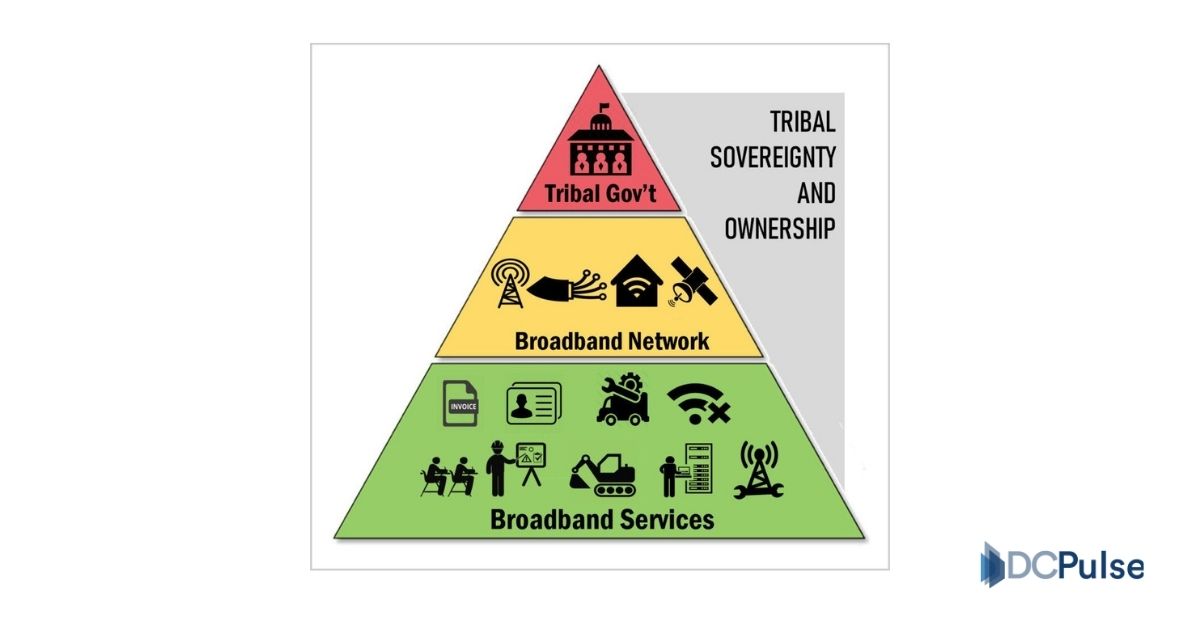
The Hoopa Valley development also illustrates how tribal governments are becoming more directly involved in the ownership and operation of telecommunications infrastructure.
A tribally operated network can give the community greater control over how infrastructure is designed, expanded, and managed. That approach differs from a model in which broadband connectivity depends entirely on outside telecommunications operators.
California has several examples of tribal communities developing their own broadband infrastructure. The Santa Ynez Band of Chumash Indians, for example, is developing a tribally owned fiber network using XGS-PON technology, with network equipment housed at a data center at the Chumash Casino Resort. The network is being built to provide high-capacity connectivity across tribal lands.
The comparison demonstrates that a data center does not necessarily need to be a large commercial campus to have strategic importance. A relatively focused facility can function as the technology hub for an entire local communications ecosystem.
Implications for Rural Data Center Infrastructure
The Hoopa Valley facility points to an important distinction within the wider data center market: infrastructure demand is not limited to hyperscale cloud campuses, AI facilities, and large colocation sites.
Telecommunications networks require smaller facilities distributed across geographic areas. These sites can support network operations, aggregation, communications equipment, and connectivity services even when the surrounding market does not justify a large conventional data center.
Such infrastructure can also help create a foundation for additional digital services. Reliable fiber connectivity can support cloud access, enterprise applications, remote work, public-sector systems, and other bandwidth-intensive services.
The precise future workload profile of the Hoopa Valley facility has not been publicly established, so it would be premature to characterize it as a conventional edge-computing or cloud data center. Its documented role is primarily connected to broadband network operations and infrastructure management.
Resilience Becomes a Key Consideration
Network resilience is particularly important for infrastructure serving remote communities. Fiber routes, network equipment, and supporting facilities can face physical disruptions, environmental conditions, and limited access to alternative connectivity.
California’s tribal broadband projects increasingly emphasize underground fiber, network redundancy, and infrastructure designed around local geographic conditions. The Chumash Fiber Network, for example, uses underground fiber and was designed with resilience considerations related to the region’s terrain and wildfire exposure.
The Hoopa Valley project similarly places a dedicated facility within the broader network architecture rather than treating broadband as simply a cable deployment exercise.
For data center operators and infrastructure developers, this model reinforces the importance of considering network diversity, backup systems, physical security and operational continuity at smaller infrastructure sites.
A Broader Shift in Digital Infrastructure Development
Tribal broadband projects are becoming an increasingly visible part of California’s digital infrastructure landscape. The state has been working with Tribal Nations on middle-mile and last-mile connectivity, while federal programs have provided funding for broadband deployment and supporting data center infrastructure.
Recent projects also show that tribal infrastructure development is extending beyond basic internet access. Network facilities can provide the foundation for government operations, businesses, public institutions, and other digital services.
The Tolowa Dee-ni’ Nation, for example, is preparing a tribal-owned fiber network in Northern California with assistance from the California Public Utilities Commission. The project is intended to connect businesses, anchor institutions, and public-safety locations, illustrating how Tribal broadband infrastructure can support a broader local digital ecosystem.
The Hoopa Valley data center fits within this wider evolution. Its significance lies less in physical scale and more in its role within a locally controlled telecommunications system.
What It Means for the Data Center Market
The development offers a reminder that the data center industry increasingly intersects with telecommunications infrastructure at the edge of the network.
Large cloud and AI facilities remain major drivers of data center investment, but smaller network facilities can play an equally important role in extending digital infrastructure into underserved or geographically challenging areas.
For data center developers, the emerging opportunity is not limited to large urban markets. Rural network hubs, carrier infrastructure sites, and community-focused facilities can become strategically important as fiber coverage expands and demand for reliable digital services increases.
The Hoopa Valley facility demonstrates how a data center can serve as the operational center of a regional connectivity strategy. Its development also reflects a broader movement toward Tribal ownership of critical digital infrastructure, with fiber networks and supporting facilities being planned as interconnected assets rather than isolated projects.
As California continues expanding broadband infrastructure across tribal and rural communities, similar network-focused data center facilities could become an increasingly important layer of the state’s digital infrastructure ecosystem.