DCPulse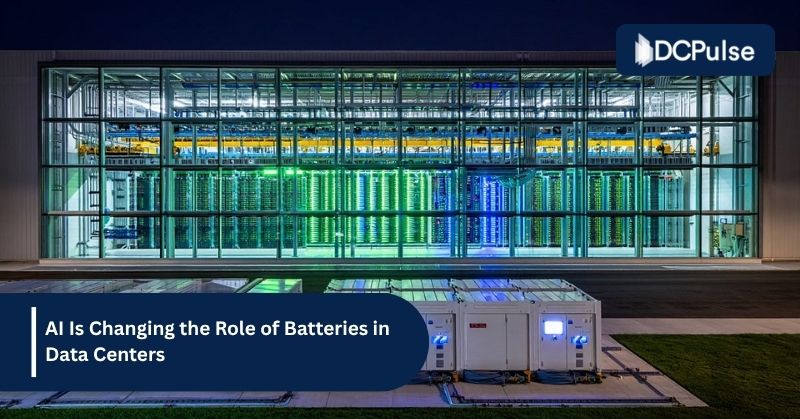
Artificial intelligence is changing the technical requirements of data centers, bringing greater attention to the role batteries play in digital infrastructure. Traditionally associated with uninterruptible power supplies and short-duration backup protection, battery systems are increasingly being considered as part of a broader strategy for managing the power characteristics of high-density computing environments.
The shift does not mean batteries are replacing conventional backup systems or grid infrastructure. Instead, the expansion of AI workloads is prompting data center operators and infrastructure planners to examine how energy storage can support reliability, power quality, operational flexibility, and the integration of different energy resources.
For facilities designed around increasingly demanding computing environments, battery strategy is becoming closely connected with decisions about power architecture, cooling, grid interaction, and resiliency.
AI Workloads Put More Focus on Power Architecture
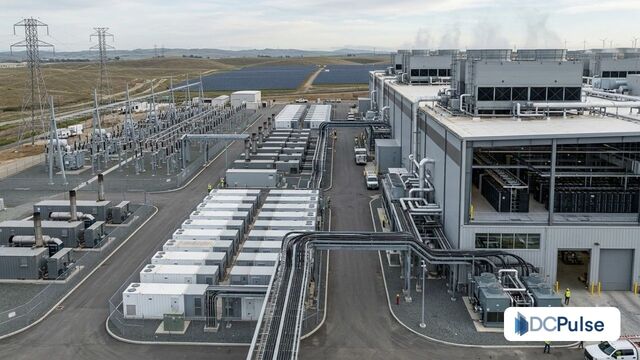
AI infrastructure relies heavily on accelerated computing systems, including high-performance processors and associated networking equipment. These environments can create different electrical and thermal requirements from more conventional data center workloads.
Power delivery therefore becomes an important part of AI infrastructure planning. The electrical system must support computing equipment while maintaining the reliability expected from mission-critical facilities.
Battery systems can form one layer of that architecture. Their established role in UPS systems provides protection during interruptions and helps maintain continuity while other power resources respond. The increasing attention on AI creates an additional reason to evaluate how these systems are configured and operated.
The key consideration is not simply battery capacity. The location of batteries within the electrical architecture, their response characteristics, charging requirements, controls, and relationship with other power assets can all influence their usefulness.
Battery Strategy Extends Beyond Backup Power
Conventional data center battery deployments have largely focused on continuity during power disturbances. That function remains fundamental because even brief interruptions can affect sensitive computing and networking equipment.
A broader battery strategy considers what energy storage can contribute before, during, and after a grid event. Depending on system design and applicable operating requirements, batteries can potentially support power-quality management, provide short-duration energy, and help coordinate different sources of electricity.
The exact role varies by facility. A data center with strong grid connectivity and established backup generation may have different storage requirements from a facility operating in a constrained power market or one incorporating a larger share of variable renewable energy.
That distinction makes battery planning increasingly site-specific rather than a one-size-fits-all decision.
High-Density Computing Connects Batteries With Cooling
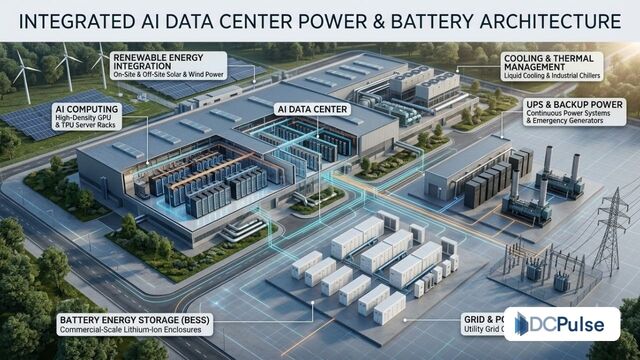
Power and cooling are closely linked in modern data center design. Higher computing density increases electrical demand while also increasing the amount of heat that must be managed.
Battery systems introduce their own environmental and operational considerations. Temperature control, monitoring, safety systems, physical layout, and maintenance requirements all need to be incorporated into facility planning.
The relationship between batteries and cooling can become particularly important when storage is deployed at larger scale. Battery installations require appropriate thermal management and protection, while the wider data center already has extensive cooling infrastructure for computing equipment.
Facility designers therefore need to consider battery rooms, electrical distribution, fire protection, monitoring, and cooling requirements as interconnected elements of the overall infrastructure rather than isolated systems.
Grid Constraints Are Making Flexibility More Valuable
Data center expansion is closely tied to access to reliable electricity. In some locations, available grid capacity can become a constraint on new digital infrastructure projects, making the timing and structure of power demand an important consideration.
Energy storage can provide another tool for managing that relationship, although its effectiveness depends on the application, system configuration, market rules, and local grid conditions.
Battery systems can potentially help facilities manage certain short-duration power requirements or coordinate electricity use with other energy resources. Such applications do not eliminate the need for adequate generation, transmission, and distribution infrastructure, but they can become part of a broader strategy for improving operational flexibility.
The value of that flexibility is likely to differ substantially between markets. Electricity tariffs, grid conditions, regulatory frameworks, renewable generation availability, and interconnection requirements all influence the business and technical case for storage.
Batteries Can Support Renewable Energy Integration
Renewable electricity is becoming increasingly relevant to data center power strategies. Solar and wind generation can provide low-carbon electricity, but their output varies according to weather and operating conditions.
Energy storage can help bridge some of the timing differences between electricity generation and consumption. In a data center context, that possibility creates another connection between batteries and power procurement strategies.
The practical role of storage depends on how renewable generation is connected to the facility. Batteries can be deployed alongside on-site generation, integrated into broader energy systems, or connected through utility and grid arrangements, depending on the project structure.
For operators pursuing more flexible energy strategies, battery systems may therefore be evaluated not only as backup equipment but also as an element of a wider energy portfolio.
Battery Chemistry Is Becoming a Strategic Question
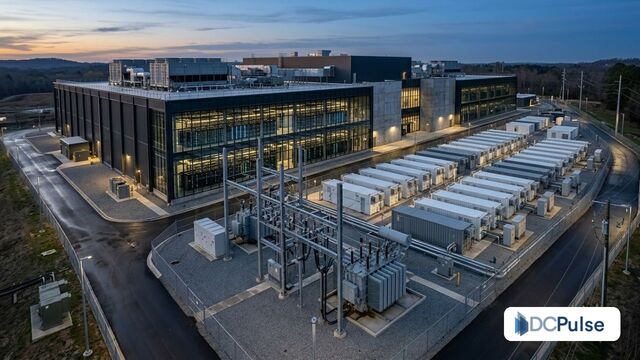
Battery technology selection also deserves attention as storage requirements evolve. Different chemistries have different characteristics related to energy density, operating conditions, lifecycle behavior, safety considerations, cost, and availability.
Lithium-ion technology remains widely associated with modern battery storage and UPS applications, but alternative technologies may have roles in specific applications. The appropriate choice depends on the performance requirements and operating environment of the data center.
Safety is particularly important. Battery installations require appropriate system design, monitoring, protection, installation practices, and emergency planning. These requirements become more significant as storage deployments become larger or more closely integrated with critical facility infrastructure.
The Data Center Power Stack Is Becoming More Integrated
AI infrastructure is encouraging data center operators to look at power systems as interconnected platforms rather than collections of individual components.
Utility connections, switchgear, UPS systems, batteries, generators, renewable energy resources, power distribution equipment, and monitoring systems all contribute to facility resilience. Changes in one part of the system can influence requirements elsewhere.
Battery strategy consequently needs to be considered during early infrastructure planning. Retrofitting storage into an existing facility can involve space, electrical, cooling, safety, and controls considerations that are easier to address during the original design process.
The same principle applies to new AI-focused campuses, where power architecture can be designed around the expected characteristics of high-density computing from the beginning.
Reliability Remains the Core Requirement
Despite the broader applications being considered for batteries, reliability remains the central requirement for data center power systems. AI workloads may be computationally demanding, but their infrastructure still depends on continuous availability.
A battery system that supports a data center must therefore be evaluated according to its response time, operational reliability, maintenance requirements, integration with UPS systems, and interaction with other backup resources.
No single technology provides complete resilience. Batteries operate within a layered architecture that can include utility feeds, UPS equipment, generators, distribution systems, monitoring platforms, and other protective measures.
The emerging strategy is consequently less about replacing one power technology with another and more about determining how different resources can work together.
A More Strategic Role for Energy Storage
The growth of AI is creating new pressure on data center power infrastructure, but the resulting battery strategy will vary by facility and market. Sites with different grid conditions, workload profiles, energy resources, and physical constraints will have different storage requirements.
For operators and infrastructure developers, the broader question is how batteries fit into the long-term architecture of the data center. Backup continuity, power quality, renewable integration, grid flexibility, thermal management, safety, and lifecycle planning all form part of that assessment.
AI may therefore be changing the conversation around batteries from a narrow backup-power discussion to a wider infrastructure strategy. As high-performance computing becomes a larger component of data center development, energy storage is likely to remain closely tied to decisions about how facilities secure reliable and flexible power.
The strategic value of batteries will ultimately depend on the role they are designed to perform. For data centers supporting increasingly demanding digital workloads, that role is becoming more complex and potentially more important than simply keeping the lights on during an outage.