DCPulse
South Korea’s HD Hyundai Heavy Industries has secured a contract to supply 1GW of natural-gas-based power generation equipment for data center operations in the United States, marking its largest power-generation engine order to date. The agreement was signed with US-based energy infrastructure developer Corban Energy Group, while the technology company operating the associated data center has not been publicly identified.
The deal places engine-based generation at the center of another large-scale US data center power project. For operators facing increasingly complex electricity procurement and grid-interconnection requirements, on-site or dedicated generation can provide an alternative route to securing capacity for energy-intensive digital infrastructure.
Large-scale engine deployment targets data center demand.
The contract covers power generation systems based on HD Hyundai Heavy Industries' 9.6 MW HiMSEN engines. According to the company, the systems will provide a combined 1,000MW of generation capacity for data centers operated by a major US technology company. The value of the contract was reported by HD Hyundai at approximately $673.8 million, while Yonhap reported a figure of 956 billion Korean won, equivalent to about $675 million.
The identity and precise location of the data center development have not been disclosed. That limits the publicly available detail on the project's campus design, utility connection strategy, deployment schedule, and relationship between the engine generation systems and the wider electrical infrastructure.
The size of the order nevertheless illustrates the scale at which natural-gas engine generation is being considered for US digital infrastructure. A 1 GW supply agreement represents generation capacity comparable to that of a large utility-scale power project, although the actual configuration, operating profile, and connection arrangement for this data center project remain undisclosed.
Behind-the-meter generation gains attention.
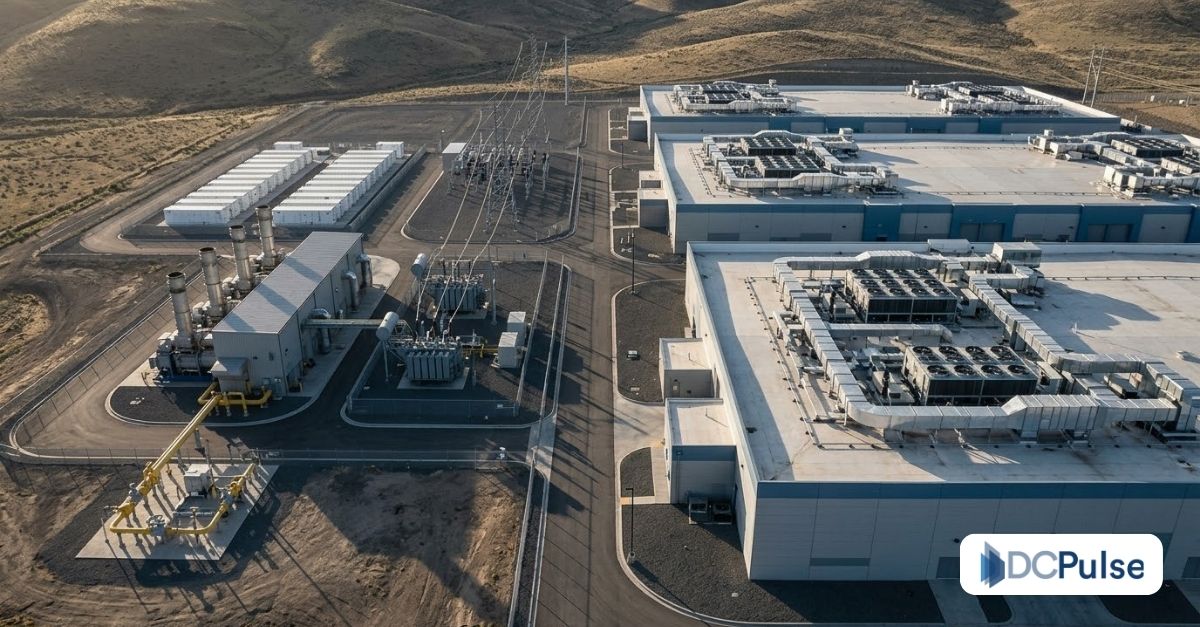
Grid access has become a central consideration for large data center developments, particularly as AI infrastructure increases the amount of electricity required by individual facilities and campuses. Utility interconnection timelines, transmission availability, and local generation constraints can influence where and when new data centers are developed.
Natural-gas engine systems offer one potential approach to addressing those constraints. Generation located close to a data center can reduce dependence on a single grid connection and can potentially support operations while broader utility infrastructure is being developed. Whether the Hyundai equipment will operate fully behind the meter, alongside grid supply, or under another configuration has not been disclosed.
The distinction is important because on-site generation does not eliminate the need for a complete electrical architecture. Large data centers still require transformers, switchgear, distribution systems, backup arrangements, controls, and other infrastructure capable of delivering stable electricity to IT loads.
For AI-focused facilities, the electrical design also has to accommodate rapidly changing and concentrated loads. The suitability of any generation technology therefore depends not only on installed capacity but also on its ability to operate reliably under the facility's specific load profile.
HiMSEN engines expand Hyundai’s data center presence.
The latest contract follows HD Hyundai Heavy Industries’ earlier entry into the US data center power market. In April, the company announced a separate agreement with US energy infrastructure developer AEG covering 684MW of power generation equipment for data center applications. That project also uses HiMSEN engines.
The earlier order was based on 20MW-class engines, while the latest contract involves 9.6MW units. The two projects demonstrate that the company's engine portfolio is being positioned for different scales of data center power deployment.
HD Hyundai Heavy Industries has described the HiMSEN platform as offering fast startup, stable load response, and operational reliability. Those characteristics are relevant to mission-critical facilities, where electrical interruptions can affect servers, networking equipment, cooling systems, and other supporting infrastructure.
The company has also identified the growing demand for distributed and resilient generation as an opportunity for its land-based power business. The latest agreement represents a significant expansion of that strategy into the US data center sector.
Corban partnership connects generations with infrastructure development.
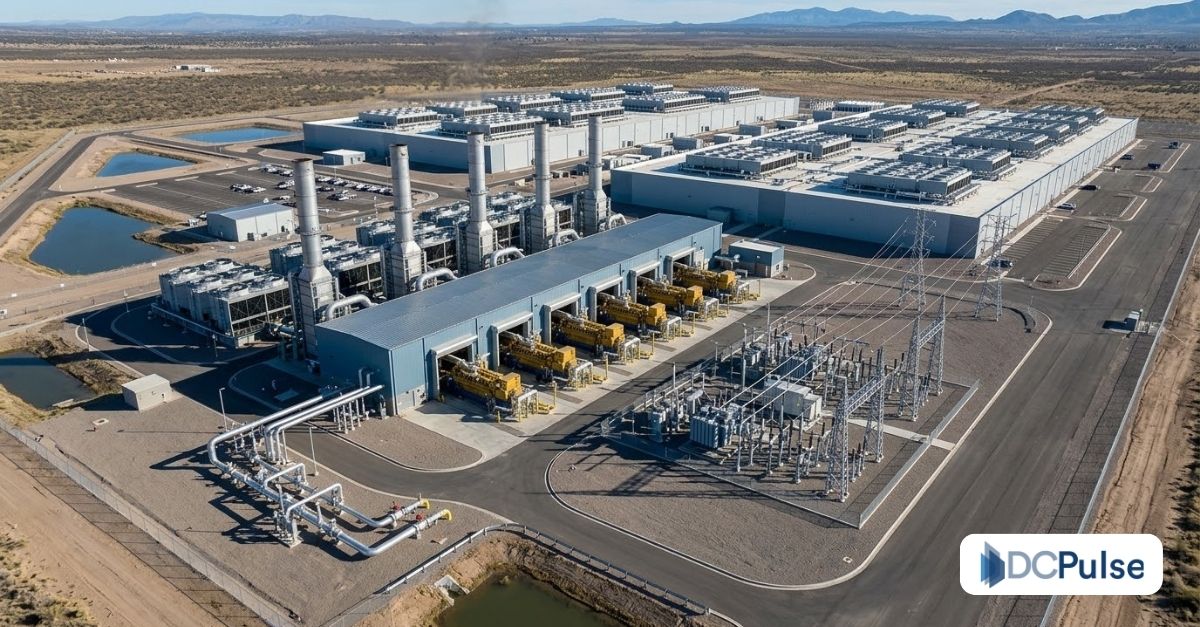
Corban Energy Group is the US-based counterparty to the agreement. The company operates across gas, LNG, and power-related infrastructure and has been involved in energy solutions associated with data center development.
The structure of the deal places HD Hyundai Heavy Industries in the equipment supply role, while Corban provides the infrastructure-development link to the US market. That arrangement reflects the increasingly specialized nature of data center power projects, where developers, utilities, equipment manufacturers, and technology companies can each play separate roles.
The approach also provides equipment manufacturers with a route into a market where demand is being shaped by large-scale cloud and AI infrastructure investments. For data center developers, partnerships with established generation suppliers can provide access to equipment capacity without requiring the developer to manufacture generation technology internally.
Natural gas brings both opportunities and constraints.
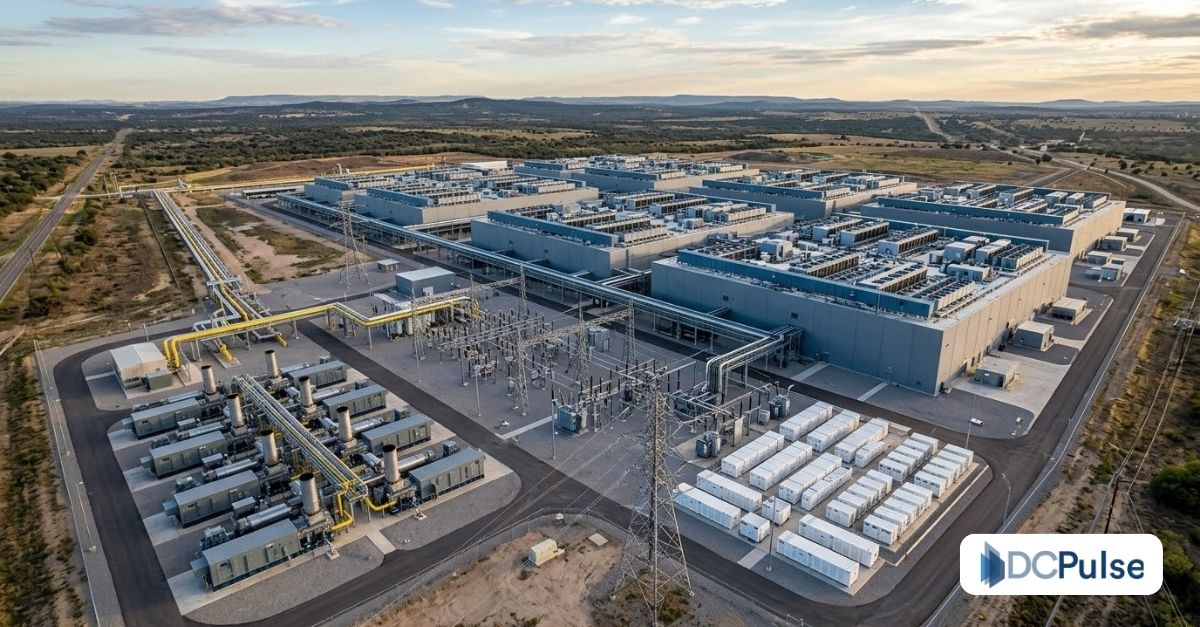
Natural-gas generation can provide dispatchable electricity, but its deployment also introduces considerations beyond capacity and reliability. Fuel availability, pipeline infrastructure, emissions requirements, permitting, equipment maintenance, and long-term operating costs can all influence the suitability of gas-fired generation for a particular data center location.
Environmental considerations are another factor. Data center operators and technology companies are increasingly assessing the carbon intensity of their electricity supply and the role of renewable energy, storage, and other lower-carbon resources in their infrastructure strategies.
A gas-engine installation therefore does not necessarily represent a standalone energy solution. Depending on the project's design, it could form part of a broader architecture combining utility electricity, on-site generation, batteries, renewable energy or other technologies. No details have been disclosed about whether the project will incorporate such resources.
Implications for US data center development
The Hyundai agreement arrives as data center developers increasingly look beyond traditional utility connections when planning large facilities. The ability to secure generation equipment at an early stage can become an important part of development planning when electricity availability is a limiting factor.
For the broader digital infrastructure market, the deal also highlights how data center growth is creating demand beyond servers, networking, and cooling equipment. Generation technologies, fuel infrastructure, electrical distribution, and energy management systems are becoming increasingly important components of the data center supply chain.
The commercial significance extends to equipment manufacturers as well. HD Hyundai Heavy Industries’ two major US data center orders in 2026 indicate an effort to establish a larger presence in a market historically served by a range of established power-generation suppliers. The company’s latest contract is its largest power-generation engine order, according to its announcement.
The longer-term impact will depend on how the unnamed data center project is ultimately configured and operated. Details such as location, commissioning schedule, grid integration, fuel supply, and generation utilization will determine how the 1 GW of engine capacity contributes to the site's overall energy strategy.
For now, the agreement provides a clear signal that natural-gas engine generation is becoming part of the infrastructure discussion around large US data center developments. As AI and cloud workloads continue to drive demand for new computing capacity, the availability of reliable electricity is likely to remain a major consideration in the design and delivery of next-generation digital infrastructure.