DCPulse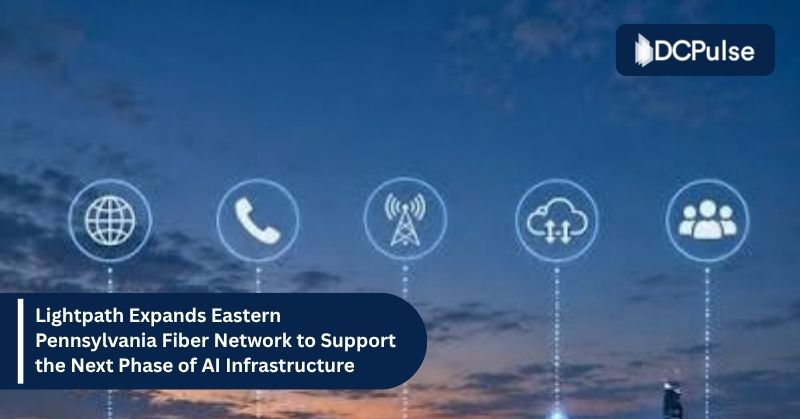
Lightpath’s expansion of its fiber network in Eastern Pennsylvania highlights the growing importance of high-capacity connectivity in the development of AI and data center infrastructure. As data center operators, cloud providers, enterprises, and network-intensive applications place greater demands on digital infrastructure, fiber networks are becoming an increasingly important part of regional infrastructure planning.
The expansion is particularly relevant to the relationship between data centers and the broader connectivity ecosystem. Modern facilities depend on diverse, high-performance network connections to exchange data with cloud platforms, enterprise locations, internet exchanges, other data centers, and users. Network availability and route diversity can therefore influence how effectively facilities participate in increasingly distributed digital infrastructure environments.
For Eastern Pennsylvania, additional fiber infrastructure can support connectivity requirements associated with data center development, cloud services, AI workloads, and enterprise networking. The significance of the investment extends beyond individual fiber routes because network infrastructure can form an important layer connecting facilities across a wider digital ecosystem.
Fiber Connectivity Becomes More Important to AI Infrastructure
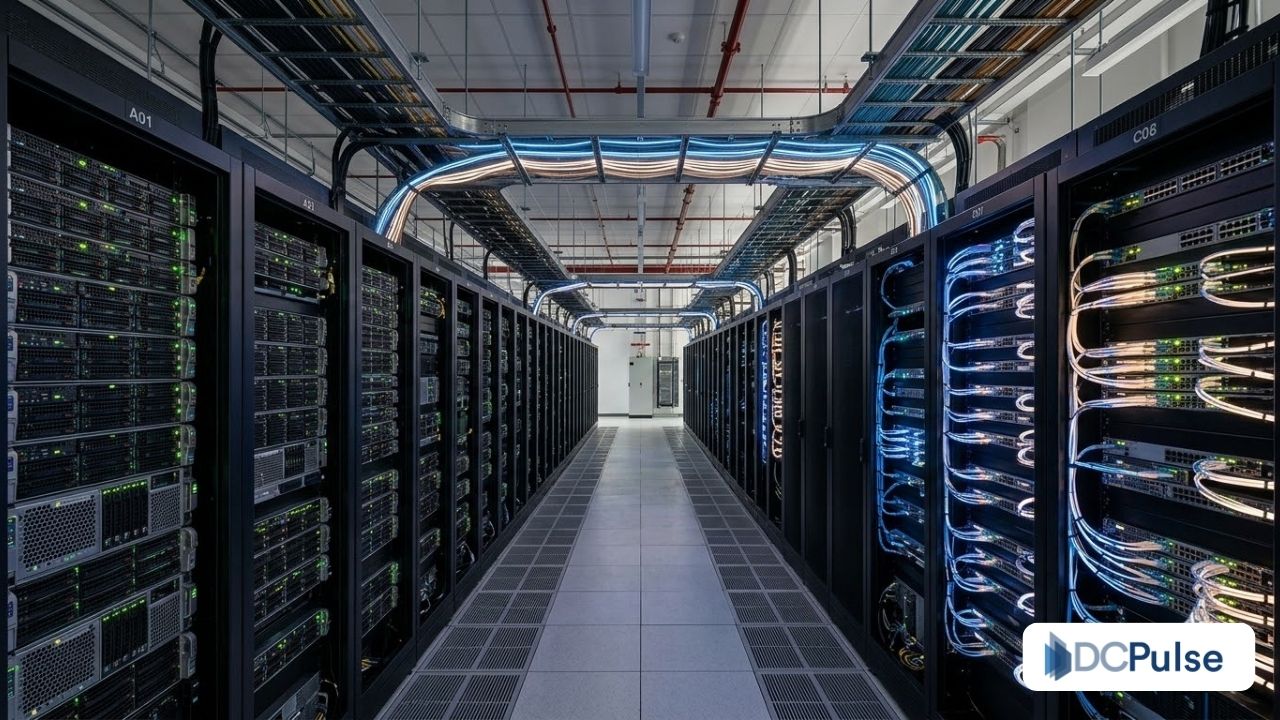
AI infrastructure places distinctive demands on data center connectivity. AI training and inference environments rely on large volumes of data moving between computing resources, storage systems, cloud platforms, and other facilities. The resulting infrastructure requirements extend beyond servers, accelerators, power systems, and cooling equipment to include the networks that connect these resources.
Fiber provides the physical foundation for many of these connections. High-capacity optical networks can connect data centers with cloud on-ramps, enterprise sites, carrier networks, and other digital infrastructure locations. Network architecture also affects the ability of operators to establish diverse connectivity paths and integrate facilities into regional and interregional infrastructure networks.
Lightpath’s Eastern Pennsylvania expansion therefore fits into a broader infrastructure requirement: data center capacity needs corresponding connectivity capacity. Additional fiber routes can provide infrastructure options for organizations evaluating how facilities connect to customers, cloud environments, business operations, and other data centers.
Eastern Pennsylvania Gains Additional Digital Infrastructure Capacity
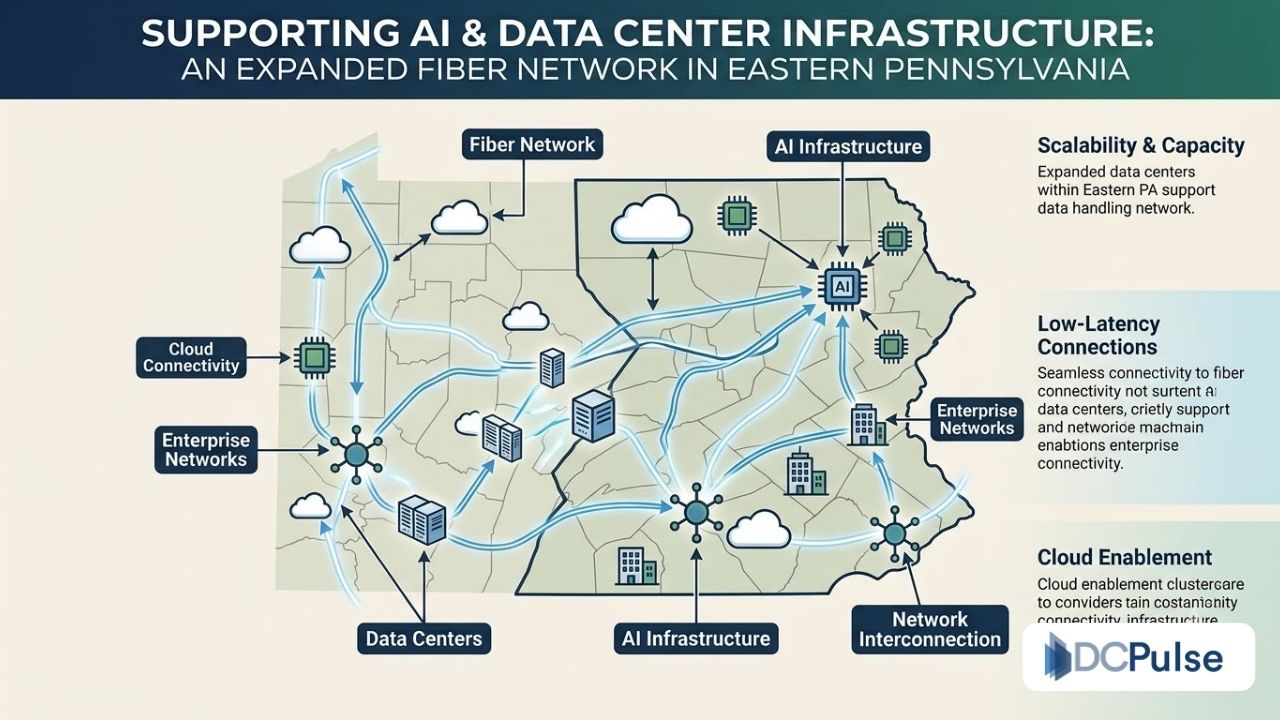
Eastern Pennsylvania occupies a strategic position within the broader Northeast technology and communications landscape. Its proximity to major population centers and established telecommunications infrastructure makes regional connectivity relevant to enterprises and digital infrastructure providers.
The development of additional fiber infrastructure can strengthen the network layer supporting this ecosystem. For data center operators, the availability of carrier connectivity can influence facility selection, network architecture, redundancy planning, and access to customers and cloud services.
The relationship between fiber and data centers is also becoming more distributed. Digital infrastructure is no longer limited to a small number of major metropolitan hubs. Data center development increasingly involves regional facilities that require connections to larger network and cloud ecosystems.
A stronger fiber footprint can help connect these facilities to the wider infrastructure environment. That connectivity can be particularly relevant where data center operators need multiple network providers or geographically diverse routes to support resilience and operational requirements.
AI Workloads Increase Pressure on Interconnection Infrastructure
AI workloads are changing the way computing infrastructure is organized. Conventional enterprise applications can often operate across established network architectures, while large-scale AI environments may require more intensive interaction between compute, storage, and networking resources.
The shift creates implications for interconnection infrastructure. Data centers supporting AI workloads may require connectivity to other facilities, cloud environments, specialized computing resources, and data sources. In some architectures, multiple facilities can operate as parts of a larger computing environment rather than as isolated sites.
Fiber infrastructure consequently becomes part of the physical foundation for these distributed architectures. Network operators that expand capacity around data center markets can provide additional connectivity options as operators develop new facilities or expand existing infrastructure.
The exact effect of a particular fiber expansion depends on the routes involved, available capacity, network diversity, customer requirements, and the facilities connected. Those factors determine how directly an infrastructure investment contributes to data center development.
Route Diversity Matters for Data Center Operators
Connectivity capacity represents only one part of the network equation. Route diversity is also important for data center infrastructure because operators often require alternative paths between critical facilities and network destinations.
A single physical route can create a potential point of failure if construction activity, equipment problems, weather events, or other disruptions affect the connection. Diverse network paths can provide alternative connectivity arrangements, although the level of resilience depends on the physical separation and architecture of those routes.
Fiber expansion in an established data center region can therefore have implications beyond additional bandwidth. New or expanded routes may give operators and enterprises more options when designing resilient network architectures.
For AI infrastructure, this consideration becomes particularly relevant as workloads and applications become increasingly dependent on continuous access to distributed computing and data resources.
Connectivity Supports the Broader Cloud Ecosystem
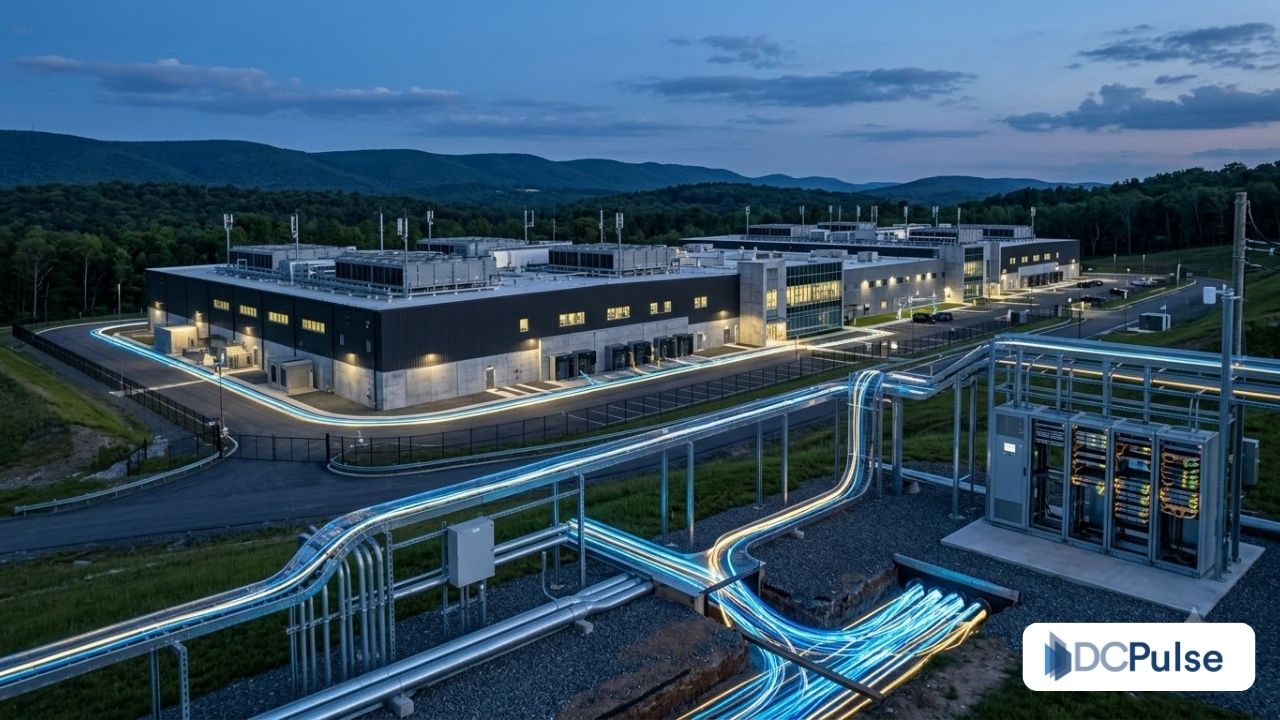
Cloud infrastructure is another major component of the data center connectivity environment. Enterprises increasingly use combinations of private infrastructure, colocation facilities, public cloud platforms, and specialized computing environments.
Those architectures require networks that can connect workloads across different infrastructure locations. Fiber networks can provide the underlying transport layer for these connections, linking enterprise facilities with data centers and cloud connectivity points.
Eastern Pennsylvania’s expanded network infrastructure can therefore be viewed within the larger evolution of hybrid and distributed computing. Data center facilities increasingly operate as interconnected components of digital infrastructure rather than standalone buildings.
For operators, network availability can influence the practical value of a facility. A data center with suitable power and physical infrastructure still requires reliable connectivity to participate effectively in cloud, enterprise, and AI ecosystems.
Implications for Future Data Center Development
The expansion of regional fiber infrastructure does not by itself guarantee new data center development. Site selection remains dependent on multiple factors, including electricity availability, land, permitting, water and cooling considerations, construction conditions, customer demand, and network connectivity.
Connectivity nevertheless remains an important consideration in infrastructure planning. Data center developers can evaluate network access alongside power and other site characteristics when assessing potential locations.
AI infrastructure adds another dimension to this planning process. High-performance computing environments can create connectivity requirements that extend across facilities and geographic regions. As these architectures develop, fiber networks can become increasingly integrated with decisions about where computing capacity is deployed.
The Eastern Pennsylvania expansion illustrates how telecommunications infrastructure is evolving alongside the data center sector. Fiber networks, data centers, cloud platforms, and AI computing resources increasingly form interconnected layers of the same digital infrastructure system.
A Broader Shift Toward Integrated Digital Infrastructure
Lightpath’s network expansion reflects a broader industry dynamic in which connectivity infrastructure is being developed alongside the expanding requirements of cloud computing and AI.
For data center operators, the relevance of such investments lies in the connections they enable. Additional fiber infrastructure can contribute to the availability of high-capacity network pathways, support interconnection strategies, and provide additional options for connecting facilities to the wider digital ecosystem.
The long-term importance of regional fiber development will depend on how data center capacity, AI computing demand, cloud adoption, and enterprise networking requirements evolve. As these infrastructure layers become increasingly interconnected, investment in one layer can influence planning decisions across the broader digital infrastructure market.
For Eastern Pennsylvania, the expanded fiber footprint adds another component to the region’s digital infrastructure environment. Its ultimate impact on data centers will depend on the facilities, network destinations, customers, and connectivity architectures that make use of the expanded infrastructure.