DCPulse
Prichard, Alabama, is considering a temporary moratorium on new data center permits as local officials weigh how large digital infrastructure projects could affect the city’s water resources, infrastructure, and surrounding neighborhoods.
The proposal has direct implications for Edged Energy’s plans to develop a data center on Telegraph Road near Africatown. The project, known as Project Gateway, has been under development for more than a year and was publicly presented to the community earlier in 2026. A moratorium could delay the project or prevent it from progressing under the current development framework.
The issue places Prichard within a wider debate taking place across Alabama, where municipalities are increasingly examining whether existing zoning and infrastructure rules are adequate for data center development.
Prichard weighs temporary development pause.
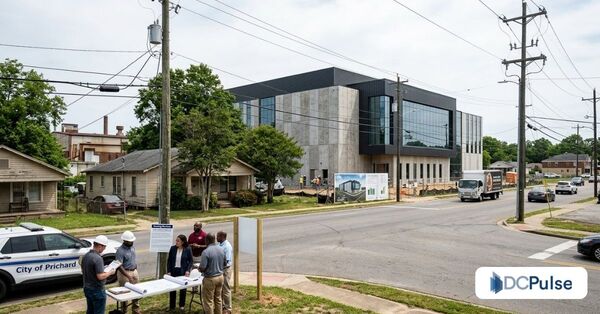
The Prichard City Council discussed a proposed temporary moratorium on new data center permits in July. Council President Traci Hale introduced the measure as residents and officials continued to debate the proposed Edged development.
The proposal discussed by the council would establish a lengthy pause on new data center permitting, with the possibility of renewal. Local officials have indicated that the objective is to provide additional time to understand how data centers could affect municipal infrastructure and nearby communities.
The proposal comes after community discussions surrounding Edged’s planned facility. The company presented the project to residents during a meeting in April, explaining the role of data centers in supporting digital services such as communications, cloud applications, and data storage.
No final outcome on the moratorium should be assumed from the proposal alone. The council had not voted on the measure at the time of the July reporting, leaving the project's regulatory path subject to further municipal action.
Edged project faces a potential regulatory setback.
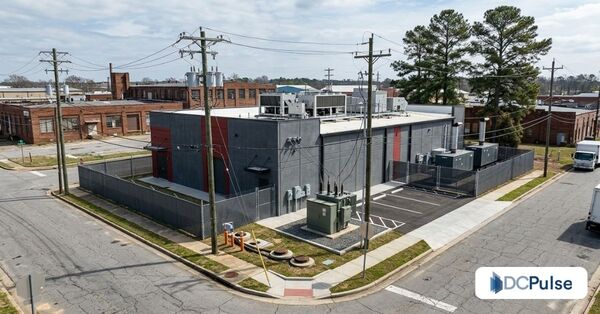
Edged is proposing a data center at 214 Telegraph Road, on a site that previously hosted a 911 data center. Public reporting has put the project's proposed investment at approximately $93 million.
The planned facility is expected to provide around 8MW of capacity, making it smaller than some of Edged's other U.S. developments. The company has described the Prichard site primarily as a networking hub intended to support internet and communications infrastructure rather than as a conventional hyperscale campus.
The development timeline remains dependent on local approvals. Earlier reporting indicated that construction could potentially begin toward the end of 2026 if the project receives the necessary approvals.
A moratorium would therefore introduce a significant timing risk. Depending on the final language and scope of any ordinance, a permitting freeze could prevent the project from advancing while the city reviews its regulatory framework.
The precise effect on Project Gateway would depend on whether the adopted measure applies to projects already under consideration, permits that have not yet been issued, or only future applications. Those distinctions are important for determining whether the Edged proposal would be delayed, required to undergo additional review, or potentially become infeasible.
Infrastructure concerns move to the forefront.
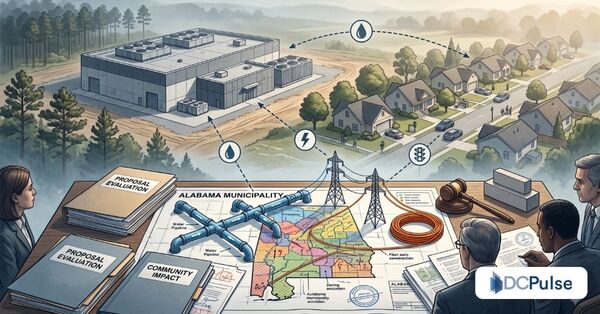
Water and municipal infrastructure have become central issues in the Prichard discussion. Data centers can place substantial demands on local infrastructure depending on their cooling architecture, electrical requirements, and supporting systems.
Edged has promoted water-efficient infrastructure across its portfolio, including waterless cooling technology. The company's broader data center platform is designed around reducing water consumption while supporting high-density computing requirements.
The presence of water-efficient technology does not eliminate the need for municipal assessment. Local authorities still have to consider the broader infrastructure requirements associated with a facility, including electrical connections, backup systems, roads, construction activity, and telecommunications connectivity.
For Prichard, those considerations are particularly relevant because the proposed facility would be integrated into an existing urban environment rather than a newly established data center campus.
The city's review could consequently influence not only the Edged project but also the standards applied to future digital infrastructure developments.
Alabama cities increasingly review data center rules.
Prichard is not the only Alabama municipality reconsidering how data centers should be regulated.
Harpersville adopted a six-month moratorium in August after its Planning and Zoning Board had recommended a longer pause. The town said the study period would be used to examine potential economic and infrastructure impacts, with municipal officials planning informational sessions involving the Planning and Zoning Board and Water Board.
Foley has also moved toward a temporary moratorium covering data centers and several related technology-intensive uses. The city's proposed ordinance specifically identifies facilities characterized by high electrical demand and/or high water consumption and would give officials time to evaluate zoning and technical development requirements.
Other Alabama communities have taken similar steps. Birmingham previously proposed a temporary pause on new data center applications to review land-use rules, infrastructure requirements, and neighborhood compatibility. Homewood also approved a temporary moratorium while developing standards for large-scale data centers.
The pattern reflects a growing effort among local governments to establish rules before large-scale digital infrastructure projects become more widespread.
Regulatory uncertainty becomes a development factor.
The developments in Alabama highlight a growing challenge for data center developers: local permitting and zoning environments can become as important as land, electricity, and fiber availability when selecting new sites.
Data center projects typically require long development timelines and significant investment before construction begins. Uncertainty around land-use rules can therefore affect project schedules, financing assumptions, engineering work, and negotiations with utilities and other infrastructure providers.
For developers, a clearly defined regulatory framework can offer greater certainty even when the framework introduces additional requirements. A temporary moratorium, by contrast, creates a period in which the eventual development rules remain uncertain.
That distinction could influence how future projects are structured in smaller cities seeking to attract digital infrastructure investment.
Project outcome remains tied to local decision-making.
The Edged proposal illustrates the competing priorities surrounding data center development in communities that are not traditionally associated with major technology infrastructure.
A successful project could add a new telecommunications and computing asset to Prichard while supporting broader digital infrastructure requirements. At the same time, municipal officials and residents are seeking greater clarity around infrastructure impacts, neighborhood compatibility, and the long-term obligations associated with hosting a data center.
The proposed moratorium does not by itself establish that the Edged project will be cancelled. Its ultimate status will depend on the final action taken by the Prichard City Council, the scope of any adopted restrictions, and how those restrictions interact with the project's existing approvals and applications.
For Alabama's wider data center market, the Prichard debate carries a broader message. As demand for computing, cloud services, and AI infrastructure expands, municipalities are increasingly being asked to determine how those facilities should fit within local planning frameworks.
The outcome in Prichard could therefore become another example of how communities balance digital infrastructure investment with local requirements before permitting the next generation of data center development.