DCPulse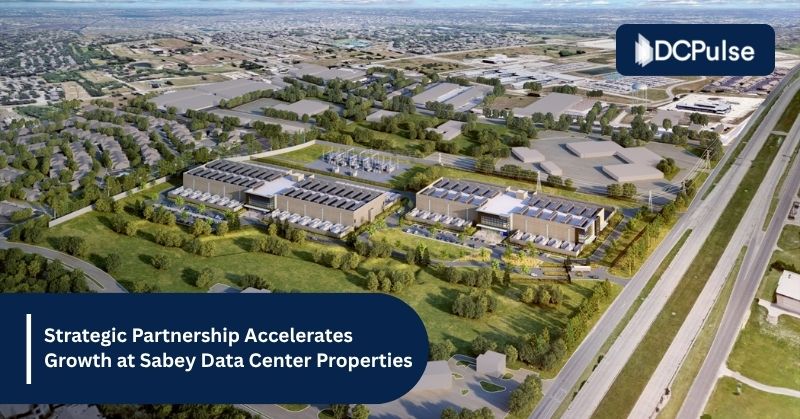
Sabey Data Center Properties (SDCP) is strengthening its position in the US data center market through an expanded investment partnership with Ares Secondaries funds, adding financial backing to a platform serving enterprise and hyperscale infrastructure customers. The development highlights how partnerships between established data center operators and institutional investors are helping support the capital-intensive expansion of digital infrastructure.
The investment relationship brings together Sabey Corporation, National Real Estate Advisors, and Ares as SDCP pursues its long-term growth strategy. The arrangement builds on Ares’ initial minority equity investment announced in July 2026, with an additional commitment announced in October. Ares’ total investment in the platform now exceeds $500 million, according to the companies’ announcement.
For the data center industry, the development illustrates the growing importance of investment structures that can support campus expansion, infrastructure upgrades, and the delivery of additional capacity as demand for cloud computing, artificial intelligence, and enterprise workloads evolves.
Expanded Investment Supports Long-Term Development
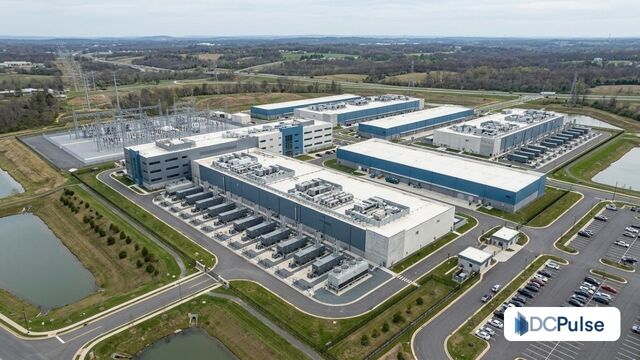
SDCP operates as an integrated data center ownership, development, and operating platform jointly owned and governed by Sabey Corporation and National Real Estate Advisors. National manages investments on behalf of its institutional clients, while Sabey brings data center development and operating capabilities to the partnership.
Ares’ entry as a minority investor expanded the platform’s ownership base in July. The subsequent increase in its financial commitment reinforces that relationship and provides additional investment capacity for the business’s planned development.
The October announcement places SDCP’s operating portfolio at approximately 275 megawatts (MW), with an expansion pipeline expected to reach approximately 737 MW by 2033. These figures reflect different stages of the platform’s development: current operating capacity and anticipated future capacity are not interchangeable. The expansion pipeline represents a growth objective rather than capacity already available to customers.
The financial terms of the original transaction were not publicly disclosed in the initial July announcement, and the companies’ latest announcement emphasizes the expanded commitment rather than a change in operational control. Ares’ investment is therefore best understood as additional financial participation in the platform, not an acquisition of the data center business.
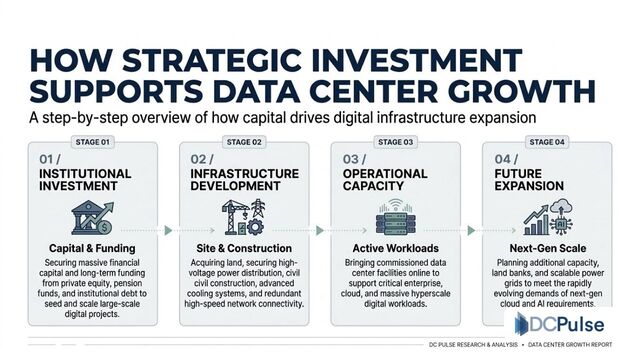
For infrastructure developers, access to committed investment capital can help align construction plans with longer-term customer requirements. Data centers require substantial expenditure before facilities become operational, including land preparation, electrical infrastructure, cooling systems, building construction, and network connectivity. A stronger investment base can help developers plan these requirements across multiple sites rather than treating every expansion as an isolated project.
Cloud and AI Demand Shapes Capacity Requirements
The investment comes as data center operators respond to changing requirements from cloud providers, enterprises, and organizations deploying AI workloads. These customers need infrastructure that can accommodate growing computing requirements while maintaining reliability, security, and predictable operating performance.
Traditional enterprise applications and cloud services continue to depend on dependable power, resilient networks, and carefully managed thermal conditions. AI infrastructure introduces additional design considerations, particularly where high-performance computing systems concentrate substantial computing demand within a limited physical footprint.
For operators such as SDCP, accommodating these requirements involves more than adding server space. New capacity must be supported by adequate utility connections, power distribution equipment, cooling infrastructure, redundant systems, and suitable network access. The availability and timing of these resources can influence when a planned facility can be delivered and how quickly it can begin supporting customer workloads.
Investment partnerships can help fund development across these interconnected requirements. However, capital alone does not guarantee that additional megawatts will become operational on schedule. Utility capacity, permitting, equipment availability, construction execution, and customer commitments remain important variables in the development process.
The distinction is especially relevant when assessing SDCP’s planned expansion. The projected increase in capacity indicates the scale of its development ambitions, but actual delivery will depend on the progress of individual projects and the infrastructure available at each location.
A Multi-Market Portfolio Creates Expansion Opportunities
SDCP’s portfolio spans established US data center markets, giving the platform exposure to different customer requirements and infrastructure conditions. Sabey’s broader data center footprint includes locations in Washington state and other US markets, while the company has continued developing facilities to meet enterprise and hyperscale demand.
A multi-market strategy can offer customers flexibility when evaluating where to locate computing infrastructure. Location decisions often depend on power availability, network connectivity, proximity to users, operational costs, and the ability to expand over time. Enterprises may prioritize connectivity and geographic resilience, while large cloud and AI customers may focus on access to substantial power capacity and the ability to deploy infrastructure at scale.
For developers, a portfolio approach can also create opportunities to share expertise across projects, standardize selected design practices, and coordinate procurement. These benefits depend on the characteristics of individual sites and the degree to which their technical requirements can be aligned.
The availability of suitable land is another important consideration. Existing campuses can provide room for phased development, but additional construction still requires sufficient electrical infrastructure, cooling capacity, and other supporting systems. A planned expansion therefore involves both the physical potential of a site and the practical ability to bring additional capacity online.
SDCP’s reported expansion pipeline suggests that its owners are planning beyond immediate demand. The eventual pace and composition of that growth will help determine how the platform responds to changing requirements from cloud, enterprise, and AI customers.
Power and Cooling Remain Critical to Growth
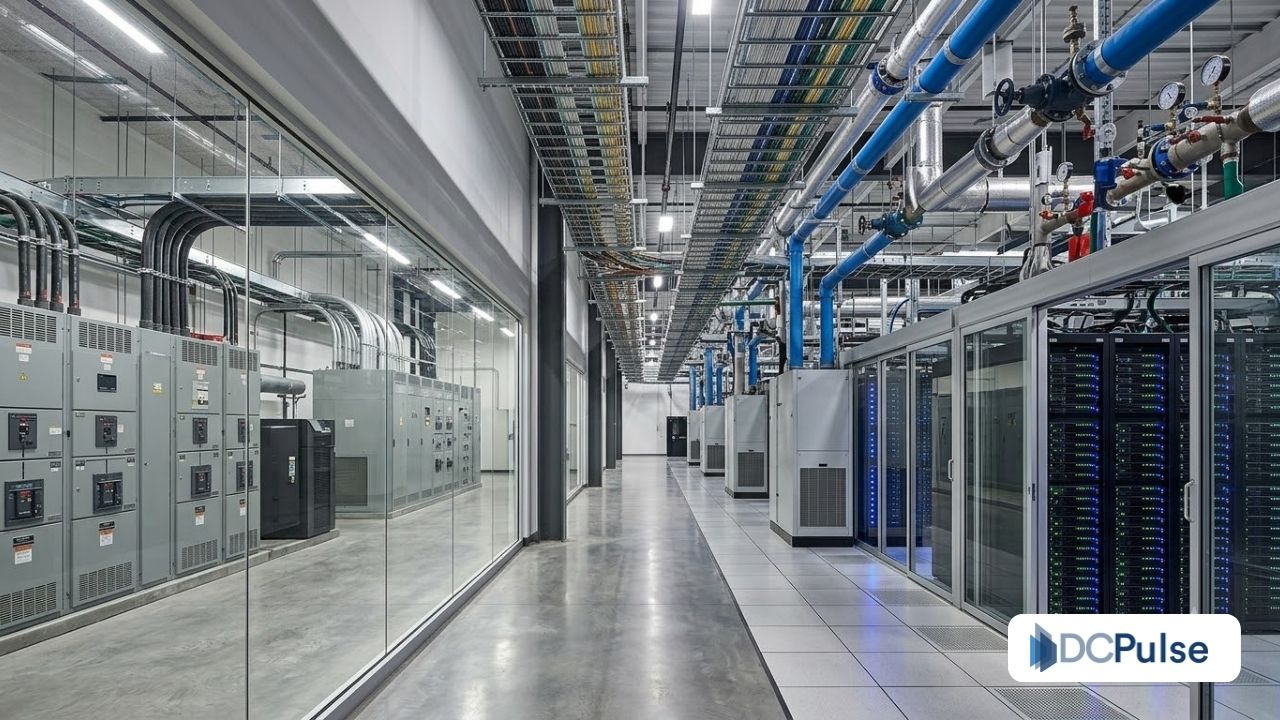
Electricity availability has become a central consideration for data center development. Larger computing deployments can require substantial increases in power delivery, making utility coordination and electrical infrastructure planning essential to expansion strategies.
AI workloads add another layer of complexity. High-performance computing systems can generate concentrated heat loads, requiring cooling designs that match the density and operating characteristics of the equipment. Operators must consider these requirements during facility design rather than treating cooling as a secondary component of construction.
The financial partnership supporting SDCP does not, by itself, resolve power or cooling constraints. Its significance lies in strengthening the investment platform through which development can be planned and funded. The practical results will depend on project-level execution, infrastructure readiness, and customer demand.
Cooling efficiency and energy management are also becoming increasingly important as operators seek to balance performance, reliability, and environmental objectives. Data center owners must evaluate equipment efficiency, operating temperatures, water requirements where applicable, and the energy characteristics of their facilities.
For SDCP, future expansion will need to account for these operational priorities alongside the commercial requirements of prospective customers. The ability to deliver usable capacity, rather than simply announce additional planned megawatts, will be an important measure of progress.
Institutional Capital and the Future of Data Center Development
The expanded Ares investment illustrates the role institutional capital can play in supporting digital infrastructure. Data center platforms often require long development timelines, significant upfront expenditure, and sustained investment after facilities enter service. Investors with a long-term perspective can provide a financial structure suited to these requirements, subject to their investment objectives and the performance of the underlying business.
For operators, a broader ownership base may provide greater flexibility in planning future projects and managing capital requirements. For investors, data center platforms offer exposure to infrastructure supporting cloud services, enterprise computing, and emerging AI applications. The commercial outcome, however, remains dependent on execution, customer demand, financing conditions, and the economics of individual developments.
The SDCP partnership also demonstrates the importance of combining financial resources with operational expertise. Capital can support a development strategy, but the successful delivery of mission-critical facilities requires experience in site selection, construction, utility coordination, network planning, and ongoing operations.
The wider market will be watching how SDCP converts its expansion plans into operational capacity. Progress against its stated pipeline, the timing of new facilities, and its ability to meet evolving customer requirements will provide a clearer indication of the partnership’s impact.
Execution Will Determine the Next Phase of Growth
Sabey Data Center Properties’ expanded investment relationship with Ares adds financial support to a platform pursuing further growth in the US data center market. The increase in Ares’ total commitment to more than $500 million reinforces a partnership that began with a minority equity investment in July 2026.
The platform’s reported 275 MW of operating capacity and projected expansion pipeline of approximately 737 MW by 2033 establish the scale of its ambitions. Those figures also underscore the difference between existing infrastructure and capacity that remains to be developed.
As cloud and AI computing requirements evolve, the ability to secure funding, deliver power-ready facilities and maintain reliable operations will remain central to data center competitiveness. The partnership gives SDCP an expanded financial foundation for its strategy, while the pace of construction, infrastructure readiness and customer demand will ultimately determine how much of its planned growth becomes operational.
For the wider digital infrastructure sector, the development reinforces a broader trend: scaling data center capacity increasingly depends on aligning investment, technical expertise and physical infrastructure over the long term.